


This post may contain affiliate links. Please read our disclosure and privacy policy for more information.
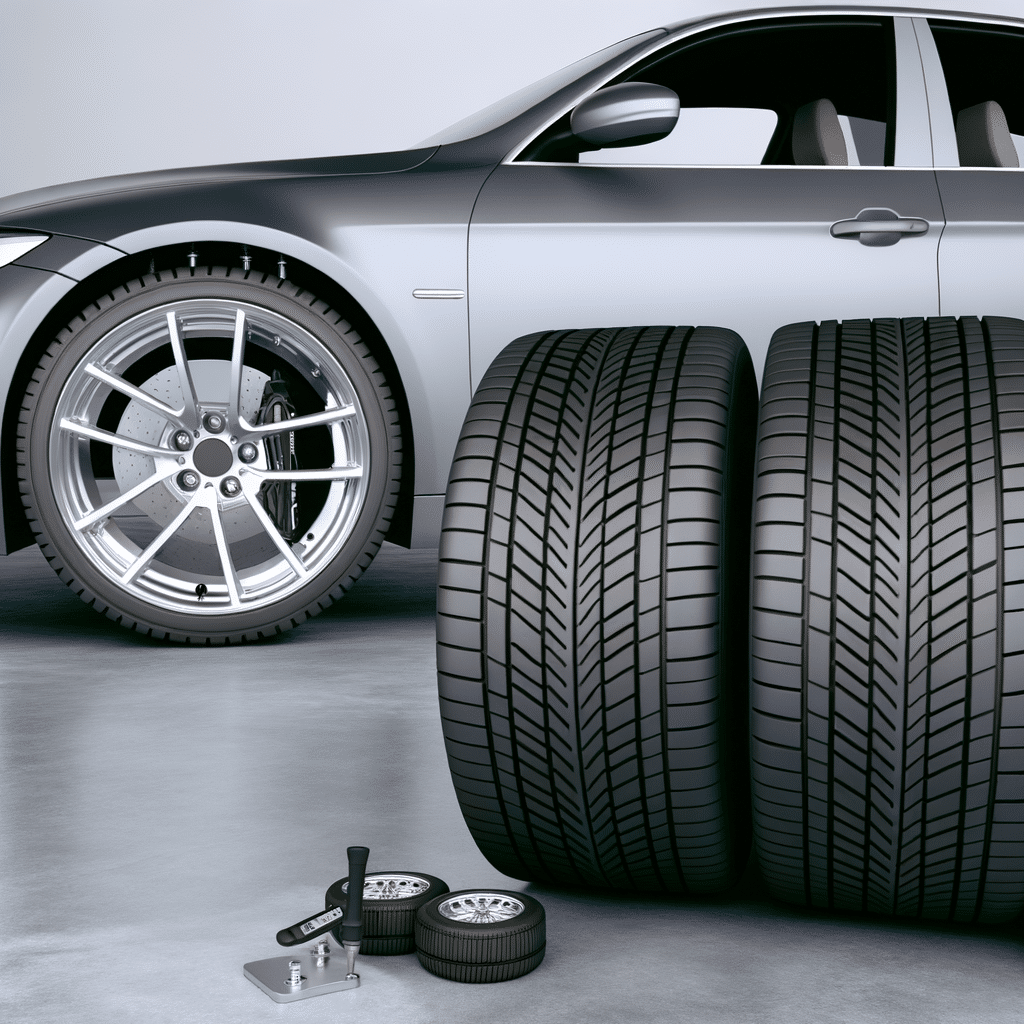
Car tires affect braking, grip, comfort, noise, and fuel use. For beginners, tire shopping can feel confusing because the sidewall numbers and tire types look like a code. Once you know what those markings mean and what choices matter, picking the right tires becomes simple and practical.
What the modification or concept is
Choosing car tires means matching the tire size, load and speed ratings, and tread type to your car and your driving. Tires are not just “rubber rings.” Each tire is built for a certain weight, speed, temperature range, and road condition.
Most people stay close to the factory tire size. Some drivers change size for looks, handling, or comfort, but a tire size change should be done carefully because it can affect speedometer accuracy, ride height, and clearance.
Why people do it
People change tires for normal wear, but also to get a different driving feel or better performance in certain conditions. Common goals include:
- Better wet grip and shorter braking distance
- More traction in snow or ice
- Quieter ride on highways
- More comfort over bumps
- Sharper steering feel
- Better durability for rough roads
Tires are also one of the most noticeable “mods” in how a car drives. If you are new to car changes, it helps to understand where tires fit in the bigger picture of Performance vs style mods.
Things to know before starting
Start with your factory tire size
Find the factory size on the driver door jamb sticker, your owner’s manual, or the tire sidewall. The door sticker also lists the correct tire pressure. That number matters as much as the tire itself.
Know the tire code basics
A common tire size looks like 205/55R16. That breaks down like this:
- 205: Tire width in millimeters
- 55: Sidewall height as a percent of width (aspect ratio)
- R: Radial construction (most modern tires)
- 16: Wheel diameter in inches
You may also see a load index and speed rating, like 91V:
- Load index: How much weight each tire can carry
- Speed rating: The max speed the tire is built for (not a goal, just a rating)
Understand tire types
- All-season: Balanced choice for mild climates. Not a true winter tire.
- Summer: Strong dry and wet grip in warm weather. Poor in cold and snow.
- Winter: Best snow and ice traction. Softer rubber for cold temps.
- All-weather: All-season tire with stronger snow rating than typical all-seasons.
Think about your real driving
Before picking, answer these practical questions:
- Do you drive in snow or icy mornings?
- Is most driving highway, city, or rough back roads?
- Do you value comfort and quiet, or sharp steering?
- Do you carry heavy loads or passengers often?
Know your wheel and car limits
Your tire must clear the suspension and fenders and must fit the wheel width. A tire that is too wide can rub. A tire with the wrong load rating can be unsafe. If your car is older and has worn suspension, rubbing issues can show up faster. For general prep, Modding older cars essentials covers the kind of baseline checks that help before changing parts that affect handling.
Step-by-step explanation
1) Confirm your current setup
Write down:
- Factory tire size from the door sticker
- Current tire size from the sidewall
- Wheel diameter (matches the “R16” part)
If your current tires are not the factory size, figure out why. The previous owner may have changed wheels or sizes.
2) Pick the right tire category for your climate
- If winters are mild and you rarely see snow: All-season is often fine.
- If you see snow and cold temps for months: Winter tires are the safest choice.
- If you want one set that can handle real snow better than normal all-seasons: Consider all-weather.
- If you live in a warm area and want more grip: Summer tires can make sense.
Do not choose summer tires if you regularly drive in near-freezing temps. The rubber can lose grip when it gets cold.
3) Match load index and speed rating to your car
Use the door sticker and owner’s manual as your baseline. You can usually go higher in load or speed rating, but do not go lower than what the car requires. Higher ratings can sometimes feel stiffer, so do not chase ratings you do not need.
4) Choose a tread focus: Grip, comfort, or longevity
Tire design is always a tradeoff. Decide what matters most for your daily driving:
- Wet grip: Look for strong rain channeling and good wet braking reviews.
- Quiet ride: Many touring tires focus on low road noise.
- Comfort: A taller sidewall often rides softer than a low-profile tire.
- Long tread life: Harder compounds can last longer but may give less grip.
5) Decide if you will stay stock size or change size
Staying with the factory size is the simplest option. If you change size, keep the overall tire diameter close to stock to avoid speedometer errors and shifting issues on some cars.
- Wider tire: Can add grip, but may hydroplane more and can rub.
- Lower profile (smaller aspect ratio): Sharper steering, but harsher ride and easier wheel damage from potholes.
- Taller tire: More comfort and pothole protection, but may feel less sharp and can rub.
6) Check the tire age before install
Find the DOT date code on the sidewall. It ends with four digits, like 2423, meaning week 24 of 2023. Newer is better. A tire can look unused but still be old and less safe.
7) Install, balance, and align
After new tires:
- Balance the wheels to prevent shaking at speed.
- Get an alignment if the car pulls, the steering wheel is off-center, or the old tires wore unevenly.
- Recheck lug nut torque after a short drive if your shop recommends it.
8) Set tire pressure and keep monitoring it
Set cold tire pressure to the door sticker value, not the max pressure printed on the tire. Then check it monthly and before long trips. For a simple routine, home tire pressure check is a good habit to pair with new tires.
Common mistakes to avoid
- Picking the wrong tire type for the season: Summer tires in winter weather is a common safety problem.
- Buying the right size but the wrong load rating: The tire can overheat under load.
- Chasing a wider tire without checking wheel width and clearance: Rubbing can damage the tire.
- Ignoring alignment: New tires can wear out fast if alignment is off.
- Running the wrong pressure: Underinflation increases heat and wear, and hurts handling.
- Mixing very different tire models on the same axle: It can make braking and cornering less predictable.
Safety and legal considerations
Tires are safety equipment. Replace tires that have visible cords, sidewall bubbles, deep cracks, or repeated air loss. Also replace tires when tread gets very low. Many drivers use the built-in tread wear bars as the minimum limit, but deeper tread is safer in rain and snow.
If you change tire size, local rules can matter. Some areas require tires to stay inside the fender and not stick out. Oversized tires can also cause rubbing that cuts the tire, and that can lead to a blowout. If you notice shaking, pulling, or odd noises after tire changes, inspect the wheels and tires and fix the cause before driving far.
Final practical advice
For most beginners, the best path is simple: Stick close to the factory size, pick the tire category that matches your climate, match the load and speed rating your car needs, and keep tire pressure correct. Good tires feel better every time you brake, turn, or drive in rain.
If you are building a plan for other changes later, start with a stable base. A clean baseline makes every future upgrade easier to judge, like the approach in Modified car maintenance for beginners.


