




This post may contain affiliate links. Please read our disclosure and privacy policy for more information.
Coilovers are a popular suspension upgrade because they can change how your car sits and how it feels on the road. But they are also easy to misunderstand. If you pick the wrong setup or adjust them the wrong way, the car can ride poorly and even handle worse than stock. Knowing the basics first helps you make better choices and avoid common problems.
What the modification or concept is
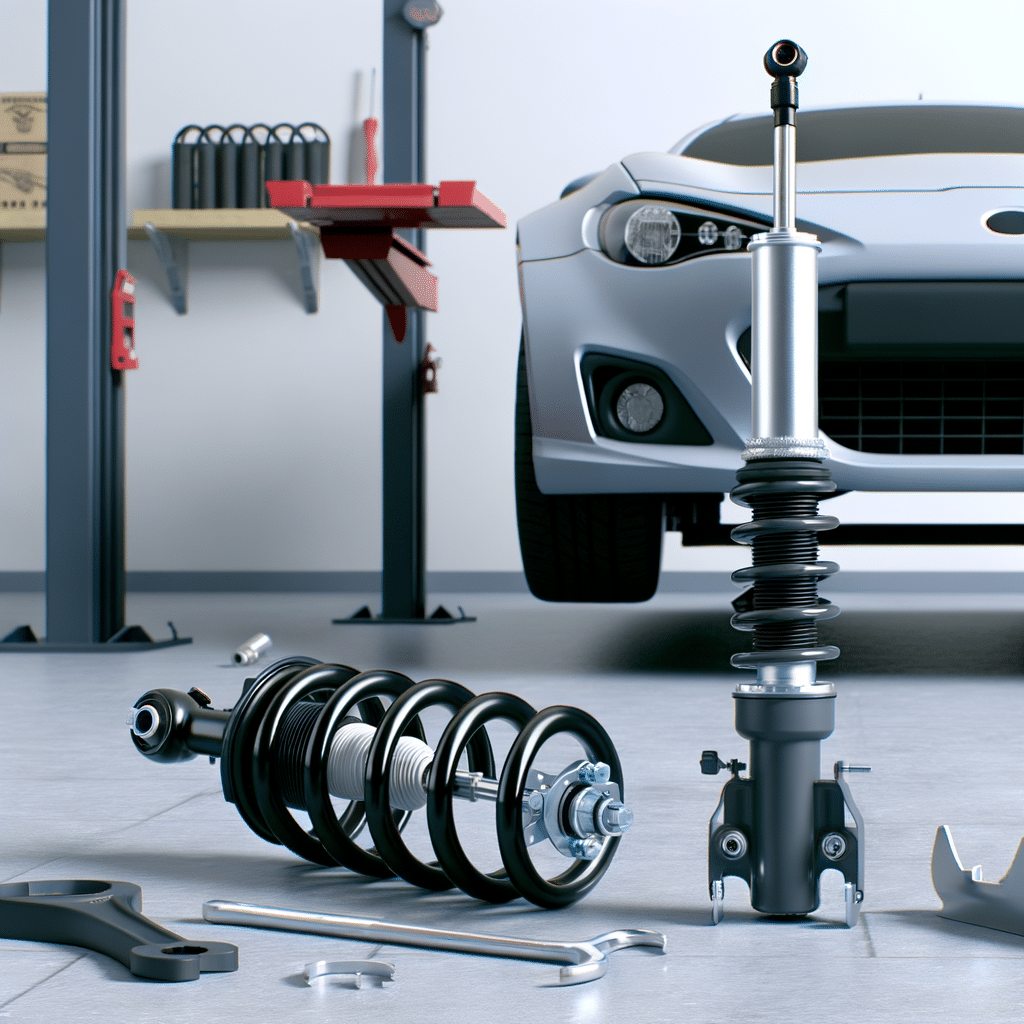
A coilover is a suspension unit that combines two main parts into one assembly: A coil spring and a shock absorber (also called a damper). The name comes from “coil spring over shock.” Many factory suspensions already use this layout, but aftermarket coilovers add more adjustment and are built for changing ride height and suspension tuning.
In most coilover kits, the spring sits on an adjustable perch (a threaded collar). By moving this perch up or down, you change spring preload and sometimes ride height, depending on the design. Many kits also let you adjust damping, which changes how fast the shock moves when the wheel hits a bump or when the car leans in a turn.
Common coilover features you may see:
- Threaded shock body: Lets you adjust height by turning collars.
- Spring perch and lock rings: Hold the spring position and stop it from backing off.
- Adjustable damping knob: Changes shock stiffness (often in “clicks”).
- Top mounts: The upper mounting point. Some use factory rubber mounts, some include pillow ball mounts for sharper response.
Why people do it
People install coilovers for three main reasons: Ride height control, better handling feel, and a more balanced setup for their driving style.
Typical goals include:
- Lowering the car: To reduce wheel gap and lower the center of gravity.
- Better cornering control: Less body roll and more stable weight transfer when tuned correctly.
- Dialing in fitment: Matching ride height to wheels and tires, especially after changes in wheel width or offset.
- Track days or spirited driving: More tuning range than most lowering springs.
Coilovers are not always the best first modification. If you are still learning how different mods change the car, it helps to start with a wider view like a First-time car modding guide so your upgrades work well together.
Things to know before starting
Before buying or installing coilovers, it helps to understand a few basics that affect comfort, handling, and tire life.
Coilovers do not automatically mean better ride
A cheap or poorly matched setup can ride harsh, bounce, or crash over bumps. Ride quality depends on spring rate, shock tuning, and travel. Lowering too much reduces suspension travel, which often makes the car feel rough.
Height adjustment is not always the same thing
Some kits adjust height by moving the spring perch. Others use a threaded shock body where you change ride height without changing spring preload as much. These behave differently when you try to lower the car a lot.
Alignment changes after lowering
Lowering the car changes camber and toe. Too much toe can destroy tires fast. Plan for a professional alignment after installation and after you settle the height.
Wheels and tires matter
Lower cars can rub tires on the fender, inner liner, or suspension. Tire size and sidewall height change how much room you have and how strong bumps feel. If you are choosing new tires at the same time, use a beginner car tire guide to keep the setup balanced.
Know the main terms
If words like preload, damping, and bump stop are unclear, learning the basics first prevents bad adjustments. A quick reference like car modification terms explained can make coilover setup less confusing.
Step-by-step explanation
Coilovers work by controlling two things at the wheel: Spring movement and shock movement. Here is how that turns into ride height and handling changes.
1) The spring holds the car up
The coil spring supports the weight of the car at each corner. The spring rate (how stiff it is) affects how much the car compresses under load and how much it resists body roll, squat, and dive.
2) The shock controls motion
The shock absorber does not hold the car up. It controls how fast the spring compresses and rebounds. Without good damping, the car can bounce after bumps and feel floaty or unstable.
3) Height changes move your starting point
When you lower the car, you reduce the available upward travel before the suspension hits the bump stop. Less travel often means harsher impacts on bad roads. A mild drop usually works better on street cars than going as low as possible.
4) Preload changes spring tension at rest
Preload means how much the spring is compressed when the suspension is fully extended. A small amount of preload keeps the spring seated. Too much preload can reduce droop travel and can make the car feel skittish over uneven surfaces.
5) Damping adjustments fine-tune control
Many coilovers have one knob that adjusts rebound and compression together. Stiffer damping can reduce body movement, but too stiff can make the tire lose grip on rough roads because the wheel cannot follow the pavement well.
A simple tuning approach for beginners:
- Start at the middle setting provided by the manufacturer.
- Drive on the same few roads and note bounce, harshness, and stability.
- Adjust in small steps, a few clicks at a time.
- If the car feels bouncy after a bump, add a little damping.
- If the car feels harsh and skips over bumps, reduce damping.
6) Corner balance and equal heights are not the same
Setting all four corners to the same fender height does not mean the car has equal weight on each wheel. For serious handling work, corner balancing can improve how the car turns left versus right. For a normal street setup, focus on safe ride height, no rubbing, and correct alignment.
Common mistakes to avoid
- Lowering too far: Causes rubbing, poor travel, and frequent bump stop hits.
- Skipping the alignment: Can lead to unstable steering and fast tire wear.
- Running damping full stiff: Often reduces grip on real roads and feels harsh.
- Uneven side-to-side height: Makes the car pull or sit twisted.
- Not locking collars: Height can change over time if lock rings are not tight.
- Ignoring tire wear patterns: Inside or outside wear can point to camber or toe issues.
- Installing without checking other worn parts: Old bushings, ball joints, and worn top mounts can make a new suspension feel bad.
After you install coilovers, maintenance matters more than with stock suspension. Cleaning threads and checking hardware helps avoid seized adjusters later. A simple routine from Modified car maintenance for beginners fits well with coilover ownership.
Safety and legal considerations
Coilovers affect safety because they change ride height, suspension travel, and steering geometry. Take these points seriously:
- Get a proper alignment: Poor toe settings can make the car unstable at speed.
- Torque hardware correctly: Loose suspension bolts can cause loss of control.
- Check clearance at full lock and full compression: Tires rubbing on suspension parts can damage a tire.
- Headlight aim may change: Lowering can point headlights too high or too low.
- Follow local rules: Some areas have minimum ride height rules, fender coverage rules, or inspection limits on modified suspension.
Final practical advice
Pick a realistic ride height for your roads first, then tune around it. When setting height, measure from the center of the wheel to the fender on each corner so tire size does not throw off your numbers. Make small adjustments, re-check lock rings, and drive a few days to let the suspension settle before doing final measurements.
For damping, start near the middle and adjust slowly. If you change more than one thing at once, it gets hard to tell what helped and what made it worse. After you find a comfortable and stable setup, watch tire wear and listen for new noises. A good coilover setup should feel controlled, predictable, and free of rubbing or harsh bottoming on normal roads.


