


This post may contain affiliate links. Please read our disclosure and privacy policy for more information.
- Market Landscape in 2026
- Setting Your Budget and Financing Strategy
- Research and Target Selection
- Where to Buy: Evaluating Your Options
- Vehicle History and Inspection
- Common Scams to Avoid in 2026
- Negotiation and Purchase Process
- Extended Warranties and Protection Plans
- Post-Purchase Best Practices
- The Electric Vehicle Advantage in 2026
- Related Resources
As we move into 2026, the used car market keeps changing with new technology, shifting buyer habits, and growing trends that every buyer should understand. Prices for used cars are still higher than before the pandemic, and new scams appear often. That is why knowing the market well is more important than ever to avoid losing money.
Market Landscape in 2026
The used car market in 2026 offers both great chances and serious challenges. Used electric cars are becoming cheaper, and their prices are getting close to those of fuel-powered cars. This change is expected to grow quickly in 2026, which many are calling “the year of the used EV.” This is mainly because many leased electric cars are now being sold as used. Online platforms are also changing the way people buy and sell cars. They make the process easier, but can also bring new risks.
Setting Your Budget and Financing Strategy

Establish Your Total Cost of Ownership
Try to keep your total car expenses, such as payments, fuel, insurance, and maintenance, within 10% of your monthly income. Remember, used cars can have surprise repair costs, so it is smart to keep some extra money aside for emergencies.
Understand Current Interest Rate Environment
In 2026, interest rates for used car loans are still high. If you have great credit (750 or above), you can expect rates around 7.19%. People with fair credit (600–699) may see rates near 6.94%, while those with poor credit may see rates above 15%. To get the best deal, apply for pre-approval from several lenders and compare offers.
Consider Cash vs. Financing
If you can pay in cash, you will avoid paying interest and might have more power when negotiating. Still, since loan rates could drop later in 2026, financing might become a better choice for some buyers.
Research and Target Selection

Focus on Reliable Models
Look for car models that are known for their reliability and low repair costs. Use reviews and reliability ratings to find cars that keep their value and have fewer problems over time.
Consider Electric Vehicles
2026 is a big year for used electric cars. There are now 14 EV models priced lower than their fuel-powered versions. Some of the best affordable choices include the Nissan Leaf, which averages around $12,890, and the Chevrolet Bolt EV, at about $14,705.
Timing Your Purchase
The best time to buy a used car in 2026 is from November to February, with January offering over 40% more deals than usual. Try to avoid buying in June, when there are around 30% fewer deals available.
Where to Buy: Evaluating Your Options
Dealerships vs. Private Sellers
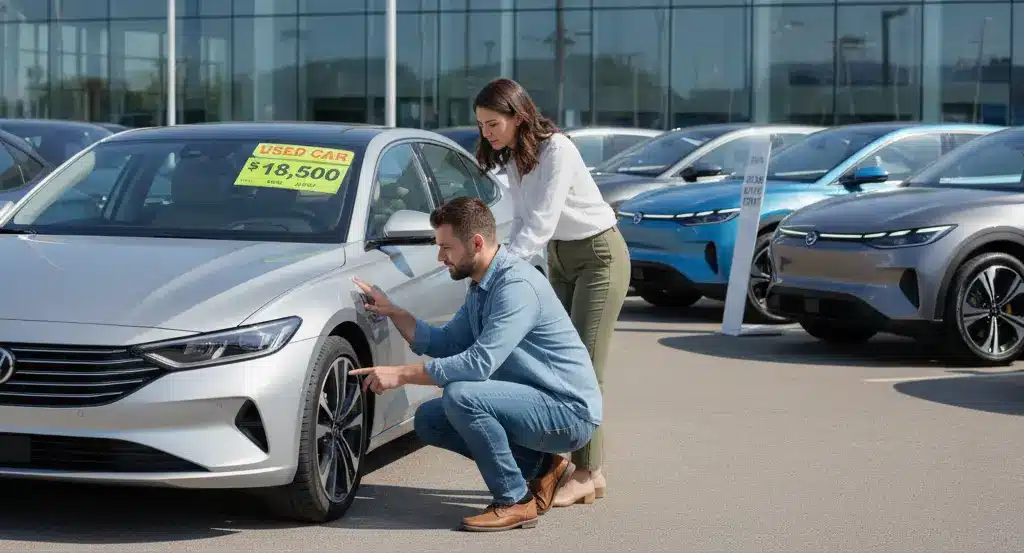
Dealerships are more convenient, provide financing options, and sometimes include warranties, but their prices are usually higher. Private sellers often offer better prices, but they come with more risk and require careful checking.
Digital Platforms
Online car buying is becoming more advanced in 2026. Many websites now use AI tools to help check a car’s value and condition. Companies like Hertz even allow you to buy a car fully online without visiting a dealership.
Certified Pre-Owned Programs
Certified pre-owned (CPO) cars come with longer warranties and complete inspections, but they cost more. In 2026, it is better to choose programs backed by car manufacturers instead of dealer-only certifications for stronger protection.
Vehicle History and Inspection
Comprehensive History Reports
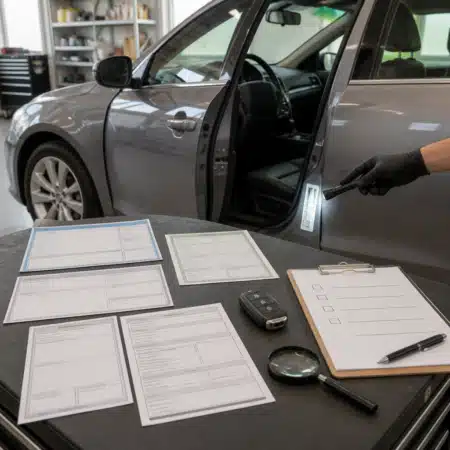
Always get a history report using the vehicle’s VIN from trusted services like Carfax or AutoCheck. Look for repeated patterns rather than single issues, and be extra cautious about flood damage, accidents, or odometer changes.
Professional Inspections
Spend $100–$200 on a professional inspection from a trusted mechanic. In 2026, some services even use AI tools to find hidden problems. Key areas to check include:
- Exterior condition and paint
- Interior wear and function
- Engine performance and fluid levels
- Brake response
- Tire condition and wear
- Electronic systems and safety features
Red Flags to Avoid
Be careful of signs like uneven gaps between panels, strong paint smells that could mean flood damage, burning smells during short drives, engine bays that look too clean, and sellers who refuse a test drive.
Common Scams to Avoid in 2026
Digital-Age Scams
Be careful of sellers who ask for deposits before you see the car, change the odometer readings, or try to sell stolen vehicles. Some may also promise fake factory warranties. Always make sure the seller’s name matches the name on the car’s registration, and never send money before meeting in person.
Title Washing
Some scammers try to hide a car’s salvage title by registering it in another state. Always check the vehicle history report carefully and look for any unusual changes in title transfers.
Odometer Fraud
Even though modern cars use digital odometers, some people still find ways to change them. Check the mileage by comparing it with the wear on the pedals, seats, and the steering wheel. Also, review the car’s service records to see if the numbers match up.
Negotiation and Purchase Process
Research-Based Negotiation
Use trusted pricing websites and market data to make a fair offer. Be ready to walk away if the deal does not fit your budget or expectations. Used cars usually have more room for negotiation than new ones, so take your time.
Financing Review
Even if you already have pre-approval from another lender, you can still ask the dealer for their financing options. Sometimes they might offer a better rate. However, do not feel forced to take the dealer’s offer if you already have a better deal elsewhere.
Contract Review
Take your time to read all the paperwork carefully before signing. Make sure every promise and term you discussed is clearly written in the contract. Check what exactly is included in the total price before you agree to it.
Extended Warranties and Protection Plans
Evaluating Warranty Options
An extended warranty can help you feel more secure when buying a used car, especially if it has high mileage. Compare different warranty providers by looking at their reputation, how flexible their coverage is, how long you must wait before it starts, and how satisfied customers are with their claim process. In 2026, some of the best warranties come from brands like Genesis, Hyundai, and Kia, which offer 10-year or 100,000-mile powertrain coverage.
Post-Purchase Best Practices
Immediate Actions
Make sure your car insurance is active before you drive your new vehicle home. Register the car as required by your local laws and double-check that all the ownership papers are properly transferred.
Getting Acquainted
Get to know your new car by reading the owner’s manual and testing all features, lights, and systems. Set up a regular maintenance plan with a reliable mechanic to keep the car running smoothly.
Maintenance Planning
Keep some savings aside for regular services and unexpected repairs. A well-maintained used car can last for many years, while ignoring maintenance can lead to expensive problems later on.
The Electric Vehicle Advantage in 2026
As prices for used electric cars drop and more off-lease EVs become available, 2026 is a great year for buyers who want to switch to electric on a budget. When comparing EVs to gasoline cars, remember to include the total cost of ownership, such as lower energy and maintenance expenses.
By following these simple tips, from understanding the 2026 market to inspecting cars carefully and avoiding scams, you can confidently buy a reliable used car at a fair price. Patience, research, and careful checking are the best ways to protect yourself in today’s fast-changing car market.