




This post may contain affiliate links. Please read our disclosure and privacy policy for more information.
Car modding is fun, but beginners often start with “common knowledge” that is not true. These myths can waste money, damage parts, or make the car worse to drive. The good news is most of them are easy to understand once you know what each mod really changes.
What the modification or concept is
Car modding means changing parts, settings, or software to alter how a car looks, sounds, handles, or performs. Some mods are simple bolt-on parts. Others require tuning, measuring, and careful setup.
Many myths come from seeing one car build online and assuming it works the same way for every car. In real life, results depend on the engine type, the factory setup, the condition of the car, and how parts work together. If you want a clear baseline for smart choices, Car mods for beginners can help you think in a practical way.
Why people do it
Most beginners mod for one of these reasons:
- Better sound or feel, like a sportier exhaust note or sharper steering.
- Better grip and handling, especially on a daily driver.
- More power, usually for passing or fun weekend driving.
- A different look, like wheels, stance, or lighting.
Problems start when a person chases a result without understanding what the mod really does. That is where myths take over.
Things to know before starting
Before buying parts, it helps to think about three basics:
- Goal: Decide if you want comfort, handling, sound, reliability, or speed. Mixing goals can cause frustration.
- Baseline condition: A worn car with old tires, weak battery, or engine issues will not respond well to mods. Fix problems first.
- System thinking: A car is a group of systems. One “upgrade” can create a new weak point in another area.
Also, not all aftermarket parts are made the same. Fit, materials, and design vary a lot. Use something like an aftermarket parts guide mindset: Focus on what the part changes, how it fits, and what problems it can cause.
Step-by-step explanation (use numbered steps where logical)
Use the steps below to break down a mod myth and check the truth.
Step 1: Identify the myth and the promised result
Here are common car modding myths beginners believe, in plain terms:
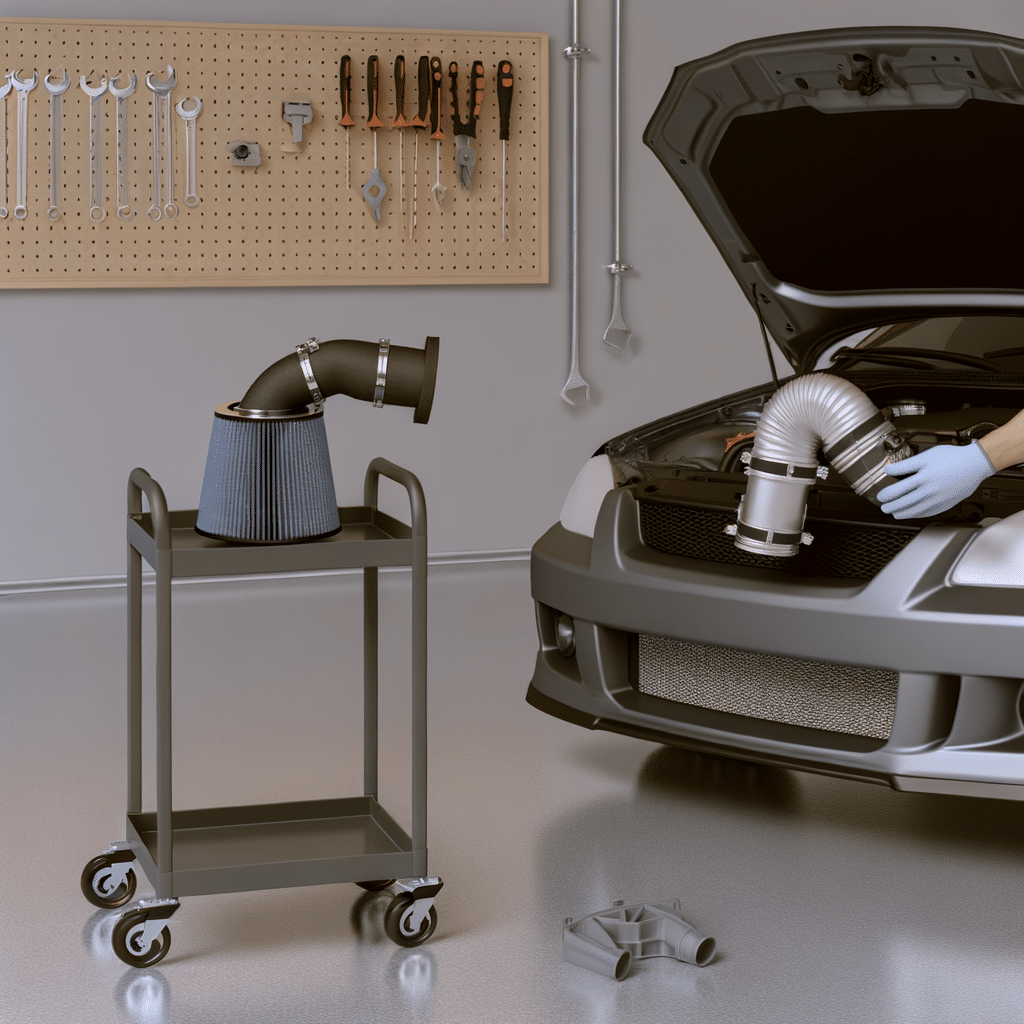
- Myth 1: “A cold air intake always adds big power.” Reality: Some intakes add noise more than power. True gains depend on air temperature, airflow design, and tuning.
- Myth 2: “A loud exhaust means a faster car.” Reality: Loud is not the same as efficient. Wrong pipe size or poor design can hurt low-end power and create drone.
- Myth 3: “Lowering springs always improve handling.” Reality: Lower can reduce suspension travel. Without matched shocks and alignment, handling can get worse.
- Myth 4: “Big wheels are always better.” Reality: Large wheels can add weight, reduce ride comfort, and change gearing feel. Tire choice matters more than wheel size alone.
- Myth 5: “More boost is safe if the engine is stock.” Reality: Stock parts have limits. Heat, fuel quality, and tuning decide what is safe.
- Myth 6: “A tune is only for race cars.” Reality: A tune is a calibration. It can improve drivability, but only when the car is healthy and the tuner knows the setup.
- Myth 7: “Brake pads alone will fix braking.” Reality: Braking feel depends on pads, rotors, fluid, tires, and how hot the brakes get.
Step 2: Learn what part of the car the mod changes
Every mod touches a system. When you see a claim, ask what system it affects:
- Air and fuel: Intake, exhaust, turbo parts, injectors, tuning.
- Grip: Tires, alignment, wheels, suspension geometry.
- Control: Brakes, steering feel, chassis stiffness.
- Comfort: Ride quality, noise, vibration.
For example, “lowering improves handling” is only sometimes true. It depends on geometry, spring rates, shock valving, and alignment settings.
Step 3: Check the trade-offs
Most mods are a trade. Beginners get surprised because myths ignore the downside. Examples:
- Intake: Can pull hot engine-bay air if the heat shielding is poor, reducing performance on warm days.
- Exhaust: Can create drone at cruising speed and may trigger check engine lights if sensors are affected.
- Lowering: Can cause tire rubbing, faster tire wear, and bottoming out over bumps.
- Big wheels: Can increase unsprung weight and make the car feel slower off the line.
It helps to pick a clear direction early. If you are trying to balance comfort and performance, Modding for comfort vs speed breaks down how priorities change part choices.
Step 4: Think in packages, not single parts
Many myths are “one part fixes everything” claims. In reality, parts often need supporting changes:
- Lowering springs: Often work best with matched dampers and a proper alignment.
- Power mods: Often need better tires, better cooling, and sometimes stronger clutch or transmission care.
- Wheels: Need correct width, offset, and tire size to avoid rubbing and poor handling.
Wheel and tire fitment is a common trap. Wrong offset can change steering feel and stress bearings. For a simple explanation of terms like offset, width, and tire size, Car wheel fitment explained is a solid reference.
Step 5: Verify with basic checks after the mod
After installing a part, do quick checks before hard driving:
- Listen for rubbing, knocking, leaks, or new vibrations.
- Check for warning lights and scan codes if a light appears.
- Re-torque wheel lugs and recheck after a short drive.
- Get an alignment after suspension changes.
- Do test drives in a safe area, then recheck fluids and fasteners.
Common mistakes to avoid
- Modding a car with existing problems: If the engine already runs rough, power mods add risk. If braking already squeals or feels weak, fix braking first.
- Buying parts for looks without checking fit: Poor fit can cause rubbing, leaks, and fast wear.
- Chasing “maximum” numbers: Peak horsepower is not the same as usable power. A smooth torque curve is often better for street driving.
- Ignoring tires: Tires affect acceleration, braking, and cornering more than many engine parts.
- Skipping supporting mods: More power without grip and braking can make the car harder to control.
- Over-modding too fast: When many parts change at once, it is hard to find what caused a new problem. A slow, staged approach helps. If you want a reality check on how mods can stack up the wrong way, Avoid over-modding your car is a useful concept to keep in mind.
Safety and legal considerations
Some mods can create real safety risks or legal trouble, even when the car still “works.” Keep these points in mind:
- Emissions rules: Removing or bypassing emissions equipment is illegal in many places and can fail inspection.
- Noise laws: Exhaust and intake noise can violate local limits, especially with certain muffler setups.
- Lighting laws: Headlight bulb swaps and tinted lights can reduce visibility and may be illegal.
- Suspension safety: Extreme lowering can cause poor suspension travel and unpredictable handling on bumps.
- Tire load and speed ratings: Wrong tires can overheat or fail under load.
After any major changes, drive carefully until you know how the car reacts in braking, cornering, and wet conditions.
Final practical advice
When you hear a mod claim, translate it into a simple question: “What system does this change, and what do I give up?” That one habit kills most myths.
Start with basics that improve real driving: Good tires, good brakes, fresh fluids, and a healthy engine. Then make one change at a time, test it, and keep notes on what actually improved. If a part mainly adds noise or harshness without better control or grip, it may not match your goals.


