




This post may contain affiliate links. Please read our disclosure and privacy policy for more information.
AWD and FWD both help a car move, but they do it in different ways. Many new drivers hear that AWD is “better,” especially in bad weather. The truth is simpler: AWD can help in some situations, while FWD can be the smarter pick in others. Knowing the real differences helps you choose the right drivetrain for your roads, driving style, and budget.
What the modification or concept is
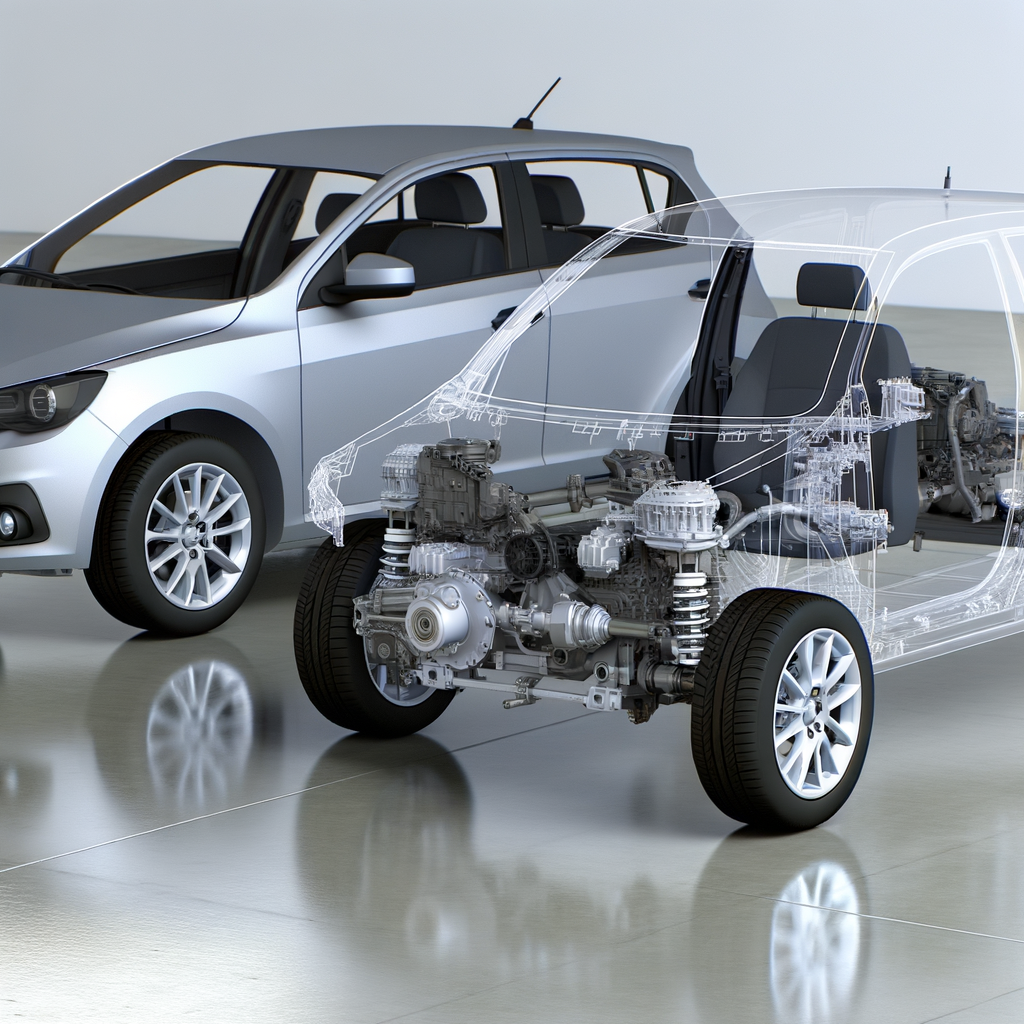
AWD means All-Wheel Drive. It sends power to all four wheels, either all the time or only when needed. Many AWD systems run mostly as front-wheel drive, then send power to the rear when the front tires start to slip.
FWD means Front-Wheel Drive. It sends power only to the front wheels. The front tires pull the car forward, and they also handle most of the steering.
Think of it like this: FWD is simpler and lighter. AWD adds extra parts to share power between the front and rear wheels.
Why people do it
People pick AWD because they want more traction when the road is slippery. Traction is how well the tires “grab” the road. More traction can help you get moving from a stop, climb a hill, or drive on loose surfaces.
People pick FWD because it is efficient, easy to live with, and works well for normal road use. FWD cars often have fewer drivetrain parts, which can mean less weight and less maintenance over time.
It also helps to remember: Tires matter as much as drivetrain, and sometimes more. A FWD car on good winter tires can feel more confident than an AWD car on worn all-season tires. If you are not sure what tires fit your needs, how to choose car tires is a useful place to start.
Things to know before starting
Before deciding that AWD is “better,” it helps to know what AWD can and cannot do.
AWD helps you go, not stop
AWD can help you accelerate with less wheelspin. It does not automatically help you brake faster. Braking depends mostly on tires, road grip, and the braking system. AWD also does not magically improve turning if the tires cannot grip.
AWD systems are not all the same
Some are full-time and always drive all four wheels. Others are part-time and only send power to the rear when needed. Some use clutches, some use differentials, and some react faster than others. Two AWD cars can feel very different on the same road.
AWD usually adds weight and complexity
AWD adds parts like a rear driveshaft, rear differential, extra axles, and control systems. More parts can mean more fluids, more wear items, and more things to inspect. It can also reduce fuel economy compared to a similar FWD model.
FWD has built-in traction advantages
With FWD, the engine weight often sits over the front tires. That extra weight can help those tires grip, especially when starting off in rain or light snow. For many drivers in cities and suburbs, that is enough.
Your roads and habits matter most
- If you see snow and ice often, AWD can be helpful.
- If you drive steep hills, uneven roads, or gravel, AWD can be helpful.
- If you drive mostly dry highways and city streets, FWD is often more practical.
Step-by-step explanation
Use these steps to decide which one fits your real daily driving.
1) Be clear about your main use
Write down where you drive most:
- City traffic, short trips, parking lots
- Highway commuting
- Rural roads, gravel, dirt, mud
- Snowy winters, mountain roads, steep driveways
If you rarely leave paved roads and winters are mild, AWD may not add much day to day.
2) Separate traction needs from performance goals
Some people want AWD because they think it is faster or “sportier.” AWD can help put power down when accelerating, especially in low grip or in high-power cars. But if the goal is safe, confident driving, tires and good driving habits often matter more than drivetrain.
If you are new to car upgrades and want a smart order of what to change first, a Car modding roadmap guide can help you focus on basics before chasing complicated changes.
3) Think about tire setup first
For snow and ice, a dedicated winter tire set can be a bigger upgrade than switching drivetrains. For rain, good all-season or summer tires (in warm climates) can improve grip and braking.
Also keep in mind: AWD plus wrong tires still slides. AWD does not create grip, it only shares power between tires.
4) Understand how each one feels when traction is low
- FWD: If you accelerate too hard on slippery roads, the front tires can spin and the steering can feel light. The car may “push” wide in a turn (understeer) if you go in too fast.
- AWD: It can pull away from a stop more easily. But if you enter a corner too fast on snow, the car can still slide. Extra confidence can lead to extra speed, which can be risky.
5) Factor in maintenance and long-term care
FWD is usually simpler. AWD often has extra fluid services and more driveline parts that can wear. Many AWD systems also want all four tires to stay close in tread depth. Big differences in tire size can stress the system.
Basic upkeep habits matter either way. For reliable ownership, Modified car maintenance basics covers the kind of checks that prevent expensive surprises.
6) Decide based on your daily “worst day” needs
A good way to choose is to think about the hardest normal day you drive, not the perfect sunny day.
- If your normal winter includes unplowed roads, icy hills, and early morning drives, AWD can be a real advantage.
- If your hardest day is heavy rain or a little snow that gets cleared quickly, FWD with good tires may be all you need.
Common mistakes to avoid
- Thinking AWD means you cannot get stuck: AWD helps, but ground clearance, tire type, and driver decisions still matter.
- Overdriving in bad weather: AWD can make acceleration feel easy, but stopping distance is still limited by grip.
- Buying AWD and ignoring tires: Tires are the only part that touches the road. Drivetrain cannot replace good rubber.
- Mixing tire brands and tread depths on AWD: Many AWD systems want matching tires. Uneven tread can cause binding and wear.
- Assuming FWD is “bad” in snow: With the right winter tires and smooth inputs, FWD can be very capable.
Safety and legal considerations
AWD and FWD are both legal for road use. The safety concerns are mostly about behavior and maintenance.
- Traction control and stability control: Do not disable them on public roads. They can help correct slips before they grow.
- Tire condition: Check tread depth and tire pressure often, especially in winter. Low pressure reduces grip and can affect how AWD systems behave.
- Matching tires on AWD: If you replace one damaged tire, you may need to replace more than one to keep tread depth close. Some shops can shave a new tire to match the others when it is allowed.
- Proper towing: Some AWD vehicles need flatbed towing to avoid drivetrain damage. Know your owner’s manual rules.
Final practical advice
If you drive in frequent snow, deal with steep hills, or travel on loose surfaces often, AWD can be the better tool. It can help you move off the line and keep momentum with less wheelspin.
If you drive mostly on normal paved roads and want simple ownership, FWD is often the smarter and more efficient choice. Put your focus on tire quality, tire pressure, and smooth driving inputs.
For many beginners, the best upgrade is not AWD or FWD. It is a good tire choice and solid maintenance. After that, pick the drivetrain that fits your worst weather days and your real driving routes.


