




This post may contain affiliate links. Please read our disclosure and privacy policy for more information.
Wind noise around the doors can make an otherwise nice car feel cheap. The good news: You can reduce a lot of that noise at home with a simple door seal upgrade. This is not a full soundproof build. It is a practical DIY that helps the seals press better, closes small gaps, and stops air from whistling past the door frame.
This guide focuses on easy wins: Cleaning the existing seals, fixing flattening, adding the right type of extra seal, and checking door alignment problems that seals alone cannot fix.
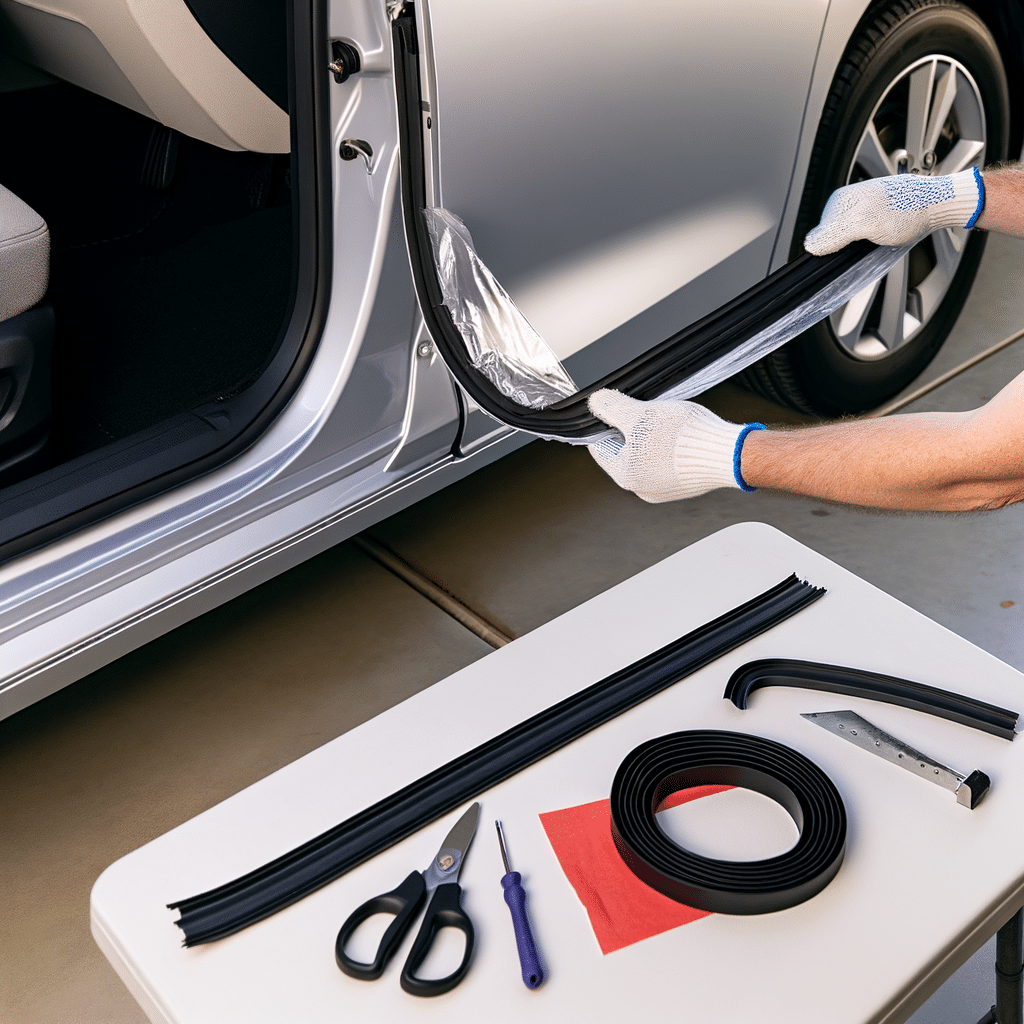
Tools and items needed
- Microfiber towels
- Warm water and mild car soap
- Isopropyl alcohol (70% or higher) for final wipe
- Plastic trim tool or old credit card
- Scissors or a sharp utility knife
- Painter’s tape or masking tape
- Chalk, baby powder, or a dry-erase marker (for contact tests)
- Rubber seal conditioner (silicone-free is nice, but not required)
- Automotive weatherstrip: EPDM rubber bulb seal or D-seal with adhesive backing
- 3M-style weatherstrip adhesive (optional, for corners or weak adhesive areas)
- Small roller (optional, helps press adhesive evenly)
Safety or legal notes
- Work in a ventilated area if you use alcohol or adhesive.
- Do not add seals where they can block airbags in the door or pillar area.
- Do not cover drain holes at the bottom of the door. Water must escape.
- Do not place thick seals so the door needs to be slammed. That can damage latches and hinges.
Numbered installation steps
1) Confirm the noise is actually from the door area
Wind noise can come from mirrors, roof racks, worn tires, or even a cracked windshield seal. Before you start, do a quick check.
- Drive at the speed where the noise is loudest.
- Lightly press your hand against the inner door panel near the top corner. If the noise changes, the seal area is a good suspect.
- Check your tire pressures too. Uneven pressure can add road noise that people confuse with wind noise. A quick home tire pressure check helps you rule that out.
2) Inspect the existing seals and door fit
Open the door and look at the main rubber seal on the body and any secondary seal on the door itself.
- Look for torn rubber, missing sections, hard spots, or areas that are flat and shiny.
- Look for dirt lines. A dark line can show where air and dust are getting pulled in.
- Check the door alignment. If the door droops, the seal may not touch evenly. Lift the door gently from the end. Too much play can mean worn hinges or a striker that needs adjustment.
If the door is clearly misaligned, fix that first or the new seal may not help much.
3) Clean the seal and the mounting surface
Adhesive seals fail early when they are applied over old wax, dust, or oily rubber dressing.
- Wash the seal with warm soapy water. Wipe it dry.
- Clean the paint surface where you will stick new material. Use alcohol on a towel for a final wipe.
- Wait a few minutes. The surface should be dry and cool.
4) Restore the original seal first (simple but effective)
Many seals get noisy because they dry out and stop flexing. Before adding anything, condition the existing rubber.
- Apply a small amount of rubber conditioner to a towel.
- Wipe the seal evenly. Do not soak it.
- Let it sit, then wipe off any extra so it does not attract dust.
This step alone can reduce squeaks and improve how the door closes.
5) Choose the right add-on seal type
Most DIY wind noise fixes use one of these:
- Bulb seal: Great for filling gaps. It compresses easily and seals well.
- D-seal: Works well along flatter areas like the top of the door frame.
- Foam tape: Not ideal long-term in wet areas. It can absorb water and degrade.
For most cars, an EPDM rubber bulb seal with adhesive backing is the best balance of soft compression and durability.
6) Do a quick “contact” test to find the weak spots
You want to add material only where the seal is not touching well.
- Lightly dust the existing seal with baby powder or rub a little chalk on it.
- Close the door gently and open it again.
- Look for areas where the powder did not transfer. That often shows low contact.
Mark those spots with painter’s tape so you do not forget them.
7) Test-fit the new seal without peeling the backing
Before sticking anything down, lay the seal in place and confirm the path.
- Avoid tight bends. If a corner is sharp, plan a small miter cut so the seal sits flat.
- Keep the seal away from latch mechanisms and wiring boots.
- Do not run the seal across the bottom door drains.
In many cases, the best location is on the body side, just inside the factory seal line. That way the door compresses it evenly.
8) Apply the new seal in short sections
Take your time here. Crooked placement looks messy and can create new gaps.
- Start at the top rear corner (near the B-pillar) because it is a common noise area.
- Peel a few inches of backing at a time. Press firmly as you go.
- Use a small roller or your thumb to press the adhesive evenly.
- For corners, make small relief cuts if needed. Do not stretch the rubber. Stretched rubber shrinks later.
If the adhesive feels weak in a spot, use a tiny amount of weatherstrip adhesive. Let it get tacky, then press and hold.
9) Check door closing feel and adjust if needed
Close the door slowly. It should latch with normal effort. If you have to slam it, the seal is too thick or placed where it stacks against the factory seal.
- If closing is hard: Remove that section and move it slightly inward, or switch to a thinner profile.
- If you hear rubbing: Check for contact on trim edges. A trim tool can help tuck the seal neatly.
10) Let it cure, then road-test
Most adhesive seals stick better after they sit.
- Keep the doors closed for at least 1 to 2 hours if possible.
- Avoid washing the car for 24 hours.
- Do a drive at the same speed as your original test.
If the noise improved but did not disappear, the remaining sound may be coming from the mirror area or other body gaps. Also check for interior rattles. A loose trim panel can sound like wind at speed. If that seems likely, Fix loose interior panels can make a surprising difference.
Common mistakes
- Adding seal on top of seal: Stacking directly on the factory contact point can make the door hard to close.
- Skipping cleaning: Adhesive will peel off fast if the surface has wax or dressing.
- Using cheap foam tape in wet areas: It can hold water and fall apart.
- Stretching rubber while applying: It shrinks later and leaves gaps.
- Blocking drains: Water buildup inside the door can cause mold smells and corrosion.
- Trying to “seal away” a misaligned door: If the door fit is off, fix alignment first.
Maintenance tips
- Wash seals when you wash the car. Dirt acts like sand and wears rubber faster.
- Condition rubber every few months, especially in hot or freezing climates.
- Check corners for lifting. Press them back down before dirt gets under the adhesive.
- In winter, wipe seals dry to reduce freezing. A conditioned seal is less likely to stick to the door.
If you are building a simple “quiet comfort” setup, small upgrades add up. Things like install door edge guards will not reduce wind noise much, but they can protect the door edge while you work around seals and jambs.
Is it worth it?
Yes, for most daily drivers. A door seal upgrade is low cost, low risk, and you can do it in an afternoon. The biggest gains happen when your factory seals are flattened, dry, or slightly undersized from age.
Do not expect total silence. If your car is noisy because of aggressive tires, worn suspension bushings, or roof accessories, door seals will only help a little. If you are new to simple car upgrades and want a realistic path, the Car modding roadmap guide is a good way to think about comfort mods versus noise sources.
Conclusion
Reducing wind noise at home is mostly about restoring rubber, sealing small gaps, and placing extra weatherstrip in the right spots. Clean first, add seal in short sections, and stop if the door starts closing too hard. With a careful install and a quick road test, you can make your cabin noticeably calmer without tearing the car apart.


