




This post may contain affiliate links. Please read our disclosure and privacy policy for more information.
A check engine light can feel scary, especially if the car still drives “normal.” The light is a warning from the car’s computer that something is not working as expected. Sometimes it is minor. Other times it can lead to expensive damage if ignored. Knowing the common causes helps you react the right way.
What the concept is
The check engine light is part of the onboard diagnostics system, often called OBD-II. Your car has sensors and computers that watch the engine and emissions system. When the computer sees a problem more than once, it saves a trouble code and turns on the light.
There are two common types of warnings:
- Solid check engine light: A problem is stored, but it is usually not an immediate “stop now” emergency.
- Flashing check engine light: Often points to a severe misfire that can damage the catalytic converter quickly. Reduce load and get help soon.
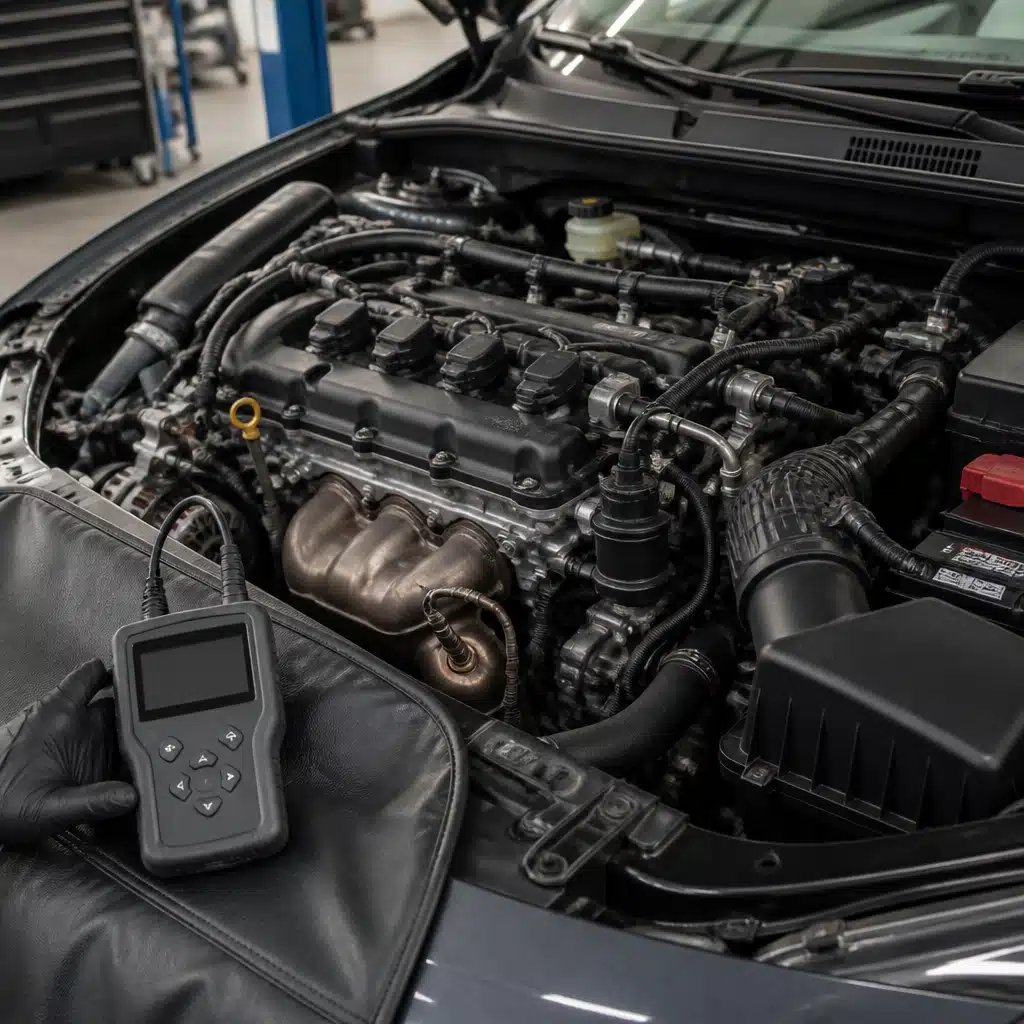
The light does not tell you the exact broken part. It tells you the system that needs attention. A scan tool or parts store scan can read the code and point you in the right direction.
Why people do it
Most people want the check engine light off because:
- The car may run rough, lose power, or use more fuel.
- It can block emissions testing and registration renewal.
- Some issues can damage expensive parts if you keep driving.
- It helps keep the car reliable for daily use.
Things to know before starting
Before you try to fix anything, get a few basics right:
- Do not guess and replace parts blindly: Many different problems can trigger the same code.
- Write down symptoms: Rough idle, stalling, fuel smell, poor mileage, hard starts, or power loss.
- Check if the light is flashing: Flashing needs faster action.
- Know that clearing codes is not a repair: The light usually returns if the root problem stays.
- Some problems are simple checks: Loose gas cap, damaged vacuum hose, low oil, or a dirty sensor.
If your car is overheating, knocking loudly, or has very low oil pressure, treat that as a bigger issue than the light itself.
Step-by-step explanation
1) Check the basics first
- Gas cap: Tighten it until it clicks. A small EVAP leak is a very common cause. If the seal is cracked or the cap does not click, replace it. For deeper details on this common trigger, see Loose gas cap issue.
- Fluid levels: Check engine oil and coolant. Low oil can cause timing issues on some engines. Low coolant can lead to overheating and sensor faults.
- Quick visual check under the hood: Look for a hose that popped off, broken wiring, or a disconnected sensor plug.
2) Scan the code and understand what it means
Use an OBD-II scanner or get the code read. Write down:
- The code (example: P0301)
- Any “pending” codes
- Freeze frame data if available (engine temp, speed, load)
Common code groups for beginners:
- P0300 to P0308: Misfires
- P0171 or P0174: Lean condition (too much air or not enough fuel)
- P0420: Catalytic converter efficiency
- P0440 to P0457: EVAP leak or purge issues
- P0101 to P0103: MAF sensor range or performance
3) Match common causes to common symptoms
These are frequent real-world causes behind the check engine light:
Loose or leaking EVAP system: This includes the gas cap, EVAP purge valve, vent valve, or cracked vapor lines. Symptoms can be none at all, or you might notice fuel smell. Codes often start with P0440 to P0457.
Misfires from ignition problems: Worn spark plugs, weak ignition coils, or damaged plug wires can cause rough idle, shaking under load, and poor power. Misfires can also come from fuel injectors or vacuum leaks. Flashing check engine light often points here. If the car stumbles when you press the gas, the symptoms fit Common causes of engine misfires.
Vacuum leaks: A split hose or leaking intake gasket lets extra air in. The engine may idle high, idle rough, or stall. Lean codes like P0171 or P0174 are common.
Mass airflow (MAF) sensor problems: A dirty or failing MAF can cause poor acceleration, rough idle, and bad fuel economy. Sometimes cleaning helps, but a damaged sensor needs replacement. Also check for an air filter installed wrong or a crack in the intake boot.
Oxygen sensor or exhaust leaks: Upstream oxygen sensors affect fuel trim. A lazy sensor can cause rich or lean running and poor mileage. Small exhaust leaks near a sensor can also trick readings.
Catalytic converter efficiency codes: P0420 can mean the converter is worn out, but it can also be caused by ongoing misfires, oil burning, or bad sensor readings. Fix the engine running problem first before blaming the converter.
Cooling system and thermostat issues: If the engine does not warm up correctly or runs too hot, the computer can set codes and fuel economy can drop. A stuck thermostat can cause slow warm-up. Overheating can cause bigger damage fast.
Fuel system problems: Low fuel pressure, a weak pump, clogged filter (on serviceable systems), or dirty injectors can lead to lean codes, misfires, or power loss at higher speeds. If the car feels weak on the highway, compare symptoms with Engine loses power causes.
Oil consumption and engine wear: Burning oil can foul spark plugs, damage oxygen sensors, and overload the catalytic converter. If you add oil often between changes, that pattern matters. Related causes are covered in Oil consumption causes and fixes.
4) Do the simplest tests before buying parts
- Clear, then recheck only after a real fix: If you tightened the gas cap, drive normally for a few days to see if the light turns off.
- Swap testing for misfires when possible: If a code shows a single cylinder misfire (example: P0302), you can move the coil to another cylinder on many cars. If the misfire code follows, the coil is likely bad.
- Look for vacuum leaks: Listen for hissing. Check all small hoses. A cracked intake boot after the MAF is a common leak point.
- Check battery voltage and connections: Low system voltage can create weird sensor codes.
5) Confirm the repair
After the fix, drive through a few normal trips. Many cars need a full “drive cycle” before monitors set and the light stays off. If the light returns with the same code, the root cause is still there or more than one problem exists.
Common mistakes to avoid
- Ignoring a flashing light: Continued driving can damage the catalytic converter.
- Replacing the oxygen sensor because of a cat code: P0420 is not always an oxygen sensor problem.
- Clearing codes right before emissions testing: The car may fail because readiness monitors are not set.
- Using the wrong spark plugs: Wrong gap or type can cause new misfires.
- Overlooking simple air leaks: A $5 cracked hose can mimic serious fuel problems.
Safety and legal considerations
Work safely around a running engine and hot exhaust parts. Keep hands, hair, and clothing away from belts and fans. Let the engine cool before touching sensors near the exhaust manifolds or catalytic converter.
For legal concerns, emissions equipment rules vary by area. Removing or bypassing emissions parts can be illegal and can cause inspection failure. If your region has emissions checks, fixing the cause is better than trying to hide the light.
Final practical advice
If the check engine light is solid and the car drives normally, start with the simple checks, scan the code, and plan a calm diagnosis. If the light is flashing, reduce speed, avoid hard acceleration, and get the misfire handled soon.
The best beginner approach is: Scan the code, confirm symptoms, check for air and vacuum leaks, and handle basic maintenance items like spark plugs on time. If the same code returns after basic checks, a professional diagnosis can save money by stopping parts guessing.


