




This post may contain affiliate links. Please read our disclosure and privacy policy for more information.
Wheel spacers can be safe when they are the right type, the right size, and installed correctly. They can also cause serious problems when they are cheap, too thick, or installed without the correct hardware. If you are new to mods, it helps to understand what spacers really change on your car before you bolt them on.
What the modification or concept is
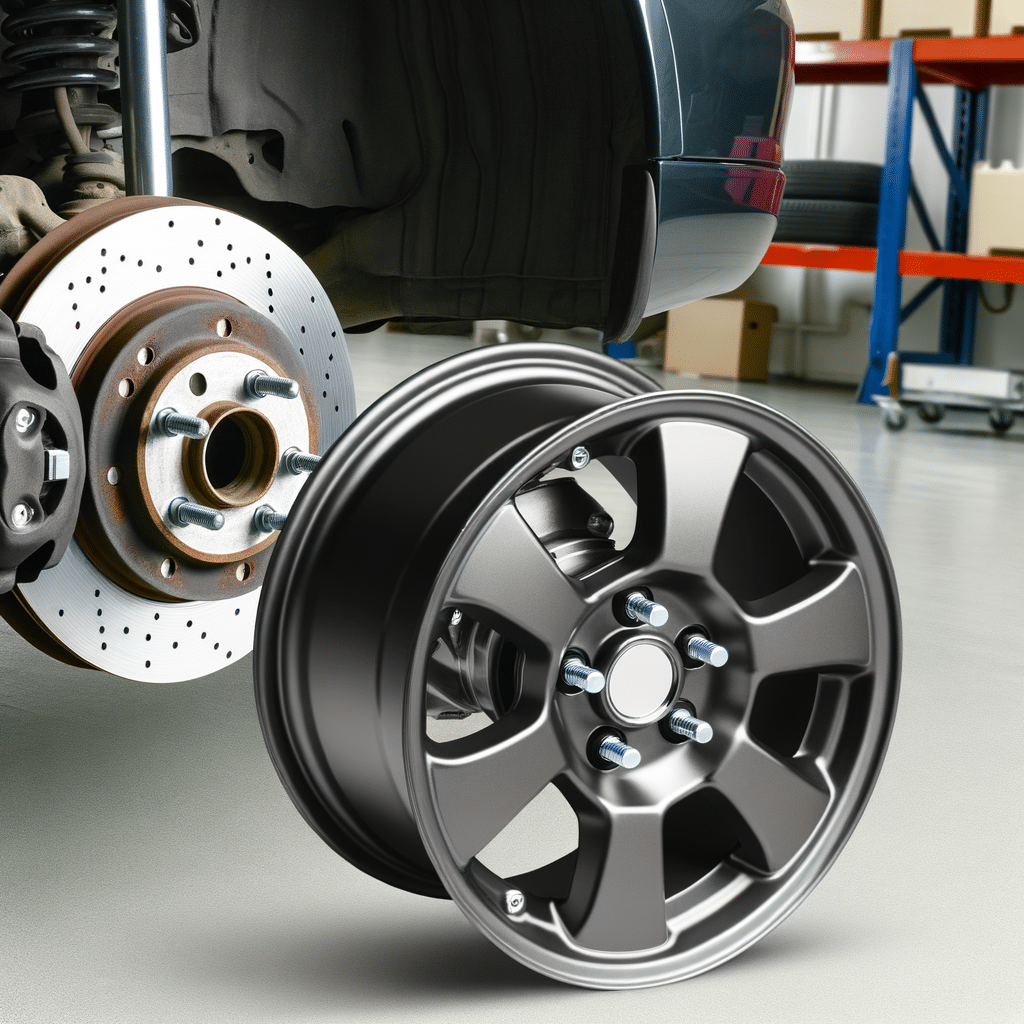
A wheel spacer is a part that sits between your wheel and your hub. Its job is simple: It moves the wheel outward, away from the car. This changes how the wheel fits in the wheel well and how the suspension loads the wheel bearing.
Spacers come in two main styles:
- Slip-on spacers: Thin rings that slide over the hub. These usually need longer wheel studs because the wheel nuts must still grab enough threads.
- Bolt-on spacers (adapter style): Thicker spacers that bolt to the hub first, then the wheel bolts to the spacer. These have their own studs. Many people pick these when they need more thickness.
Spacers also come as hub-centric or lug-centric. Hub-centric spacers match your hub’s center lip so the wheel stays centered by the hub, not just by the lug nuts. This matters a lot for smooth driving.
Why people do it
Most people install wheel spacers for one of these reasons:
- Fix wheel fitment: If a wheel sits too far inside, a spacer can bring it closer to the fender for a more even stance. This is tied to offset, so it helps to understand Wheel offset explained before choosing thickness.
- Clearance for brakes or suspension: Sometimes the inner wheel barrel rubs a brake caliper, control arm, or strut. A small spacer can create the needed gap.
- Wider track width feel: Moving wheels outward slightly widens track width. This can change steering feel, but it also changes loads on parts.
- Match front and rear stance: On some cars, rear wheels sit further in than fronts. Spacers help make both sides look balanced.
Spacers are not the same as buying wheels with a better offset. They are a fitment tool, not a cure for every wheel problem.
Things to know before starting
Wheel spacers change more than looks. Before buying anything, check these points first.
Spacer thickness changes offset
A spacer reduces wheel offset by the same amount as its thickness. Example: A 10 mm spacer makes the wheel sit 10 mm further out. That often helps stance, but it can also cause rubbing on the fender when you hit bumps or turn.
Wheel stud and lug nut engagement
With slip-on spacers, the biggest risk is not having enough thread engagement. If the nuts do not grab enough threads, they can loosen or strip. Many cars need longer studs even with small spacers.
Hub-centric fit matters
If the spacer does not match the hub bore and does not have a proper hub lip, the wheel may not center well. That can cause vibration at speed and extra stress on lugs.
Added load on bearings and suspension parts
Moving the wheel outward increases leverage on wheel bearings and can add stress to ball joints and tie rods. A small spacer used correctly is usually fine, but very thick spacers increase risk over time, especially on heavier vehicles.
Wheel and tire setup still matters
If your tires are already wide, pushing them out can cause rubbing. Tire size and sidewall shape also affect clearance, so it helps to know how to choose car tires before changing position.
You need the right hardware
Bolt pattern, seat type, and torque specs must match your car and wheels. Many wheels use cone seat lugs, some use ball seat. Mixing them can cause poor clamping force even when torqued.
Step-by-step explanation
Use these steps as a safe process for checking fitment and installing spacers. If you are not comfortable working around lifted vehicles, a shop can do the install.
1) Measure the problem you are trying to solve
- For stance: Measure how far the wheel sits in from the fender (both sides).
- For clearance: Measure the gap between wheel and caliper, strut, or arm.
- Aim for the smallest spacer that solves the issue.
2) Pick the correct spacer type
- Thin change (often 3 mm to 10 mm): Slip-on can work, but check stud length.
- Thicker change (often 15 mm and up): Bolt-on is usually the safer layout because it keeps proper stud length for the wheel.
- Pick hub-centric spacers that match your hub bore and your wheel bore.
3) Check studs, nuts, and seating style
- Confirm your lug nut seat type matches the wheel.
- For slip-on: Check that you will still have enough threads for safe tightening. If not, plan longer studs.
- For bolt-on: Confirm spacer studs match the lug nuts you will use on the wheel.
4) Prep the hub surface
- Lift the car safely and remove the wheel.
- Clean the hub face so the spacer sits flat. Rust or dirt can create a wobble.
- Check the hub lip for damage.
5) Install the spacer correctly
- Slip-on: Slide spacer onto the hub, confirm it sits flat, then mount the wheel.
- Bolt-on: Bolt spacer to the hub first. Tighten in a star pattern and torque to spec. Then mount the wheel to the spacer and torque again in a star pattern.
Always use a torque wrench and the correct torque spec for your vehicle. Do not use an impact gun as the final tightening tool.
6) Do a clearance and rubbing check
- Spin the wheel by hand and listen for contact.
- Turn steering lock-to-lock on the front wheels.
- Lower the car and check clearance at normal ride height.
7) Re-torque after a short drive
After a short drive, re-check torque. This is a common safety step on wheels and spacers, and it fits well into Modified car maintenance basics for anyone doing regular checks.
Common mistakes to avoid
- Buying the thickest spacer for looks: More thickness increases bearing load and rubbing risk.
- Using lug-centric spacers when hub-centric is available: Poor centering often leads to vibrations.
- Not using longer studs with slip-on spacers: Too little thread engagement is a major safety issue.
- Stacking spacers: Two spacers together can shift, loosen, and seat poorly.
- Ignoring hub face rust: If the spacer does not sit perfectly flat, the wheel can wobble.
- Wrong lug nut type: Ball seat vs cone seat mismatch can loosen over time.
- Skipping a re-torque: New installs can settle. Loose lugs can damage studs and wheels.
Safety and legal considerations
Wheel spacers are not illegal everywhere, but rules and inspection standards vary by area. Some places fail inspections if tires stick past the fenders or if spacers are visible. Also, some warranty claims can be denied if a failure is linked to modified wheel mounting.
From a safety view, spacers are most safe when:
- They are hub-centric and match the correct hub bore.
- They use high-quality studs and correct lug nuts.
- The wheel still centers properly and runs smooth with no vibration.
- They are not used to hide a wrong wheel choice that should be fixed with proper offset.
If you feel steering shake after installation, do not keep driving at speed. Vibration can mean the wheel is not centered, the spacer is not seated flat, or torque is uneven.
Final practical advice
If you are a beginner, treat wheel spacers as a precise fitment tool. Start with the smallest thickness that fixes your clearance or stance issue. Choose hub-centric parts that match your car, avoid stacked spacers, and only run slip-on spacers when stud length is correct.
After installation, listen for rubbing, check for vibration at different speeds, and re-torque the lugs after a short drive. If you plan more changes later like lowering, think about how future suspension travel will affect rubbing. When working through your first mods, a simple plan like a Car modding roadmap guide can help you avoid doing the same job twice.


