




This post may contain affiliate links. Please read our disclosure and privacy policy for more information.
A shake that shows up only at highway speeds usually comes from something that starts wobbling or vibrating once the wheels, tires, and drivetrain are spinning fast. The good news is that many causes are routine. The bad news is that some can quickly turn unsafe if you ignore them.
What This Problem Feels Like
You may notice the car feels smooth around town, then starts to shake at about 55 to 75 mph. Sometimes it gets worse the faster you go. It may feel like a buzzing through the seat and floor, a vibration in the steering wheel, or a whole-body shake that comes and goes.
Most drivers say it feels strongest on certain roads, but it will still be there on smooth pavement if the cause is in the car. It can also change when you speed up, coast, or lightly apply the brakes.
If the vibration is mostly in the steering wheel, the source often relates to the front tires or front suspension. If it feels more in the seat or floor, it can point more toward the rear tires or driveline. That is not a final diagnosis, but it is a useful clue.
Is It Safe to Drive?
Light vibration that stays the same and only shows up at one speed range is sometimes safe for a short trip to a shop. Still, highway shaking is not something to ignore, because the same parts that vibrate can also fail.
Do not keep driving at highway speeds if you notice any of these:
- Shaking that suddenly gets much worse
- Steering wheel wobble that makes it hard to hold a lane
- A pulling sensation, especially if it changes with speed
- A thumping sound that matches vehicle speed
- A new vibration right after hitting a pothole or curb
- Any sign of a tire problem like a bulge, wobble, or rapid air loss
If you are unsure, slow down, avoid highways, and follow a cautious decision process like Safe to Keep Driving before you push the car faster.
Common Causes
These are listed from most common to less common for a car that only shakes at highway speeds.
Tires out of balance
This is the most common cause. A small imbalance can feel fine at 30 mph but shake the car at 65 mph. It can happen after a tire rotation, after mud or snow packs inside a wheel, or when a wheel weight falls off.
Tire damage or tire defects
A tire can look normal and still be the problem. A separated belt, internal damage, or a flat spot can create a vibration that gets worse with speed. This is especially common after hitting a pothole or running a tire low on air.
Bent wheel (rim) or wheel runout
A bent rim can wobble just enough to shake at highway speeds. Some bends are visible, but many are minor and only show up when the wheel is spun on a balancer. Corrosion or debris between the wheel and hub can also make the wheel sit slightly crooked and cause runout.
Uneven tire wear
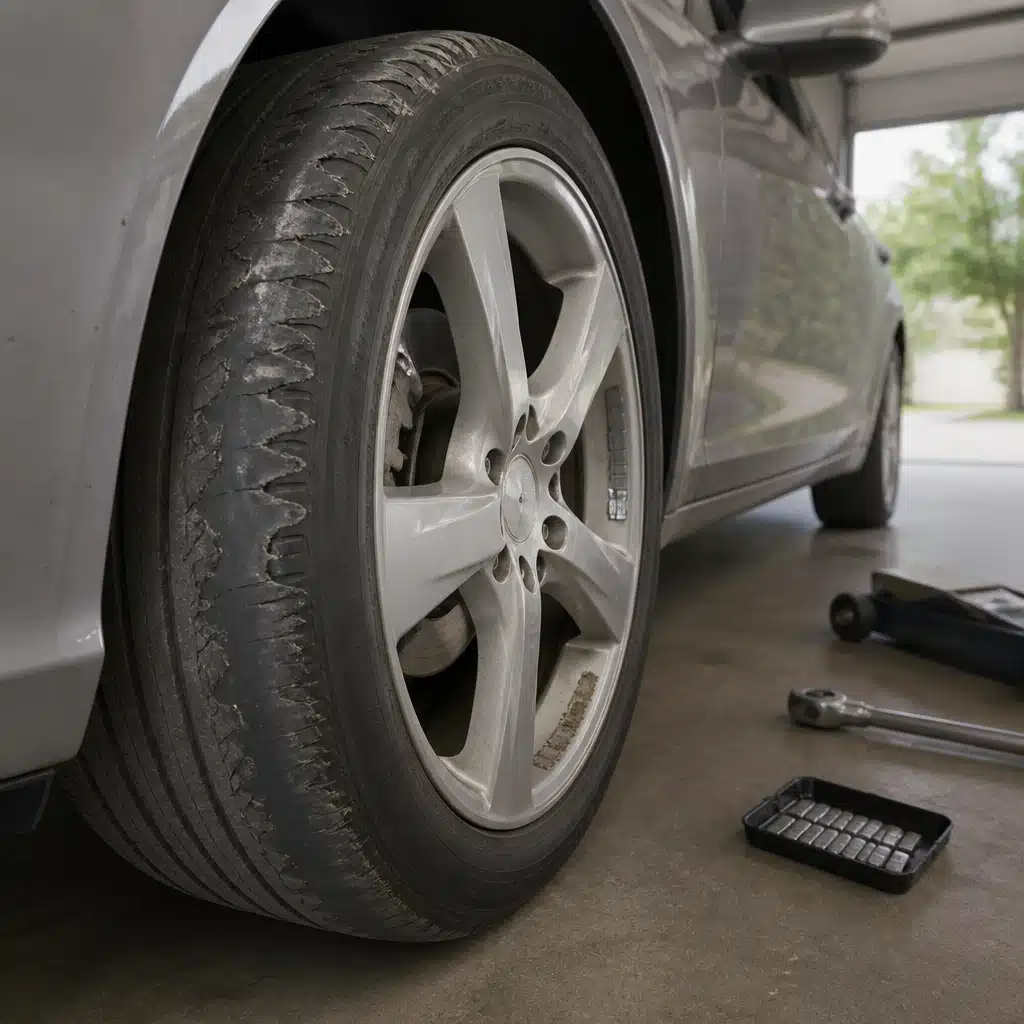
Cupping, scalloping, or feathered wear can make a tire noisy and shaky at speed. The tire may be balanced, but the tread surface is no longer rolling smoothly. Uneven wear often points to another issue like worn shocks/struts or alignment problems, but the vibration you feel is still coming from the tire contacting the road.
Loose or worn suspension and steering parts
Play in tie rod ends, ball joints, control arm bushings, or wheel bearings can let the wheels wobble under load. At low speed it may not show up, but at highway speeds the vibration can become obvious and can change when you hit bumps.
If the shake is mainly in the steering wheel, the problem may overlap with what people describe as steering wheel shakes.
Brake rotor issues that show up only sometimes
Most brake-related shakes are felt during braking. But a rotor with heavy rust buildup, uneven deposits, or a rotor that is not sitting flat can sometimes create a light vibration that changes when you lightly apply the brakes at speed. If the shake is not affected by braking at all, brakes move lower on the suspect list.
Driveline problems (less common, but possible)
On rear-wheel drive or all-wheel drive vehicles, a worn driveshaft U-joint, a damaged CV joint, or a driveline angle issue can cause a vibration that becomes noticeable only at speed. This usually feels more like a buzz through the seat and floor than a steering wheel wobble.
Wheel fitment problems after swapping wheels
If the shake started right after installing different wheels, the wheels may not be centered correctly on the hubs, or the offset may be wrong for the vehicle. Hub-centric rings, correct lug hardware, and correct fitment matter. This topic comes up often when people change wheel sizes or styles without checking wheel offset and backspacing.
Quick Checks You Can Do at Home
These checks are meant to be safe and simple. If anything feels beyond your comfort level, stop and book a shop visit.
Look at each tire closely
With the car parked on level ground, turn the steering wheel to better see the front tires, then check all four tires for:
- Bulges in the sidewall
- Chunks missing from the tread
- Cracks, cords showing, or shiny spots from rubbing
- Uneven wear like scallops or “cups”
If you see a bulge or exposed cords, do not drive at highway speed. A tire in that condition can fail.
Check tire pressures when cold
Use a real tire gauge, not just the dash display. Set pressure to the door-jamb sticker, not the number on the tire sidewall. A tire that is low can overheat and deform, and that can cause shaking at speed.
Check the wheels for missing weights and packed debris
Look for a clean spot on the rim where a wheel weight used to be. Also check the inside of the wheel for packed mud, snow, or road tar. A chunk of debris stuck in one spot can act like an imbalance.
Do a quick “feel” test on lug nuts
If a wheel was recently removed, confirm the lug nuts are present and seated. Do not try to “muscle tight” them with a small wrench. If you suspect loose lug nuts, do not drive at speed. Have the vehicle towed or tightened correctly with the proper tool.
Notice when the shake changes
On a safe, open road:
- If it happens at a specific speed and fades above or below it, think balance or a slightly bent wheel.
- If it gets steadily worse as speed increases, think tire damage, runout, or a driveline vibration.
- If it changes a lot when you lightly apply the brakes, think brakes or a wheel/hub mounting issue.
These observations help a technician find the cause faster, even if you cannot pinpoint it yourself.
When This Becomes Serious
Highway shaking becomes urgent when it is paired with signs of a tire or wheel that may fail, or suspension parts that are no longer holding alignment.
Treat it as serious if you notice:
- A rhythmic thump that gets faster with speed
- A new vibration right after impact with a pothole, curb, or road debris
- The car wandering or feeling “loose” on the highway
- Steering wheel shaking that is strong enough to blur mirrors
- Visible tire bulges or a wheel that looks like it wobbles
In these cases, avoid highway speeds and get it checked right away. A shaking car is harder to control in an emergency maneuver, and a failing tire can become a blowout.
How a Mechanic Fixes It
A shop usually starts by confirming the symptom on a road test, then checks the most common causes first.
- Balance and inspect all four wheels and tires: The technician will spin-balance, look for bent wheels, and measure runout. Many shops can also do a road-force test, which helps find stiffer spots or internal tire issues that normal balancing can miss.
- Inspect tires for separation and abnormal wear: If a tire has a shifted belt or internal damage, the fix is replacement. If wear is uneven, the tire may also need replacement, and the root cause (like worn suspension parts) should be addressed.
- Check wheel mounting surfaces: Rust or debris between the wheel and hub can cause a wobble. A technician will clean mounting points and verify proper lug hardware and torque.
- Inspect steering and suspension for play: Worn tie rods, ball joints, bushings, shocks/struts, or wheel bearings can allow vibration. The fix is replacing worn parts, then aligning the vehicle if needed.
- Address driveline vibration if tire and suspension checks pass: The shop may inspect CV joints, U-joints, driveshaft balance, and mounts, depending on the vehicle layout.
If you are deciding whether to take on any of the easier checks yourself versus booking a shop, it helps to consider Mechanic vs DIY maintenance costs as a general way to think about time, tools, and risk.
Common Mistakes to Avoid
- Replacing parts based on a guess: Highway vibration can feel similar across different causes. Guessing often leads to wasted time and more frustration.
- Balancing only the front tires: Rear tire problems can shake the whole car. All four should be checked.
- Ignoring a shake because it “goes away”: Some tire and wheel problems come and go until they get worse.
- Overinflating tires to mask the problem: This can make the ride feel different but does not fix imbalance, separation, or a bent wheel.
- Assuming new tires cannot be the cause: New tires can still be defective, mounted incorrectly, or not balanced well.
Related Problems to Watch For
Keep an eye out for these, because they often show up alongside highway shaking:
- Steering wheel vibration over 60 mph: Often points more toward front tire and steering issues.
- Uneven tire wear that returns quickly: Can suggest worn suspension parts or alignment that is not holding.
- Vibration mainly during braking: More likely brake-related than tire balance.
- New noise with the shake: A hum, growl, or clicking can hint at bearings or driveline parts.
If the car also shows other Signs of poor maintenance like mismatched tires, neglected rotations, or long-overdue alignments, the vibration may be part of a bigger pattern.
Final Thoughts
If your car shakes only at highway speeds, start by treating tires and wheels as the top suspects. Check tire condition and pressures, look for missing weights or packed debris, and pay attention to whether braking changes the vibration.
If the shake is strong, suddenly worse, or paired with a thump, wobble, or visible tire damage: Slow down and avoid highway driving. Get the car inspected as soon as possible. A proper balance and inspection can solve many cases quickly, and it also helps catch the unsafe ones before they turn into a breakdown.


