




This post may contain affiliate links. Please read our disclosure and privacy policy for more information.
A slammed car sits much lower than stock. The look can be clean and aggressive, but the change affects how the car rides, turns, and brakes. If you are new to car mods, it helps to understand what “slammed” really means and what problems can show up when the car is too low.
What the modification or concept is
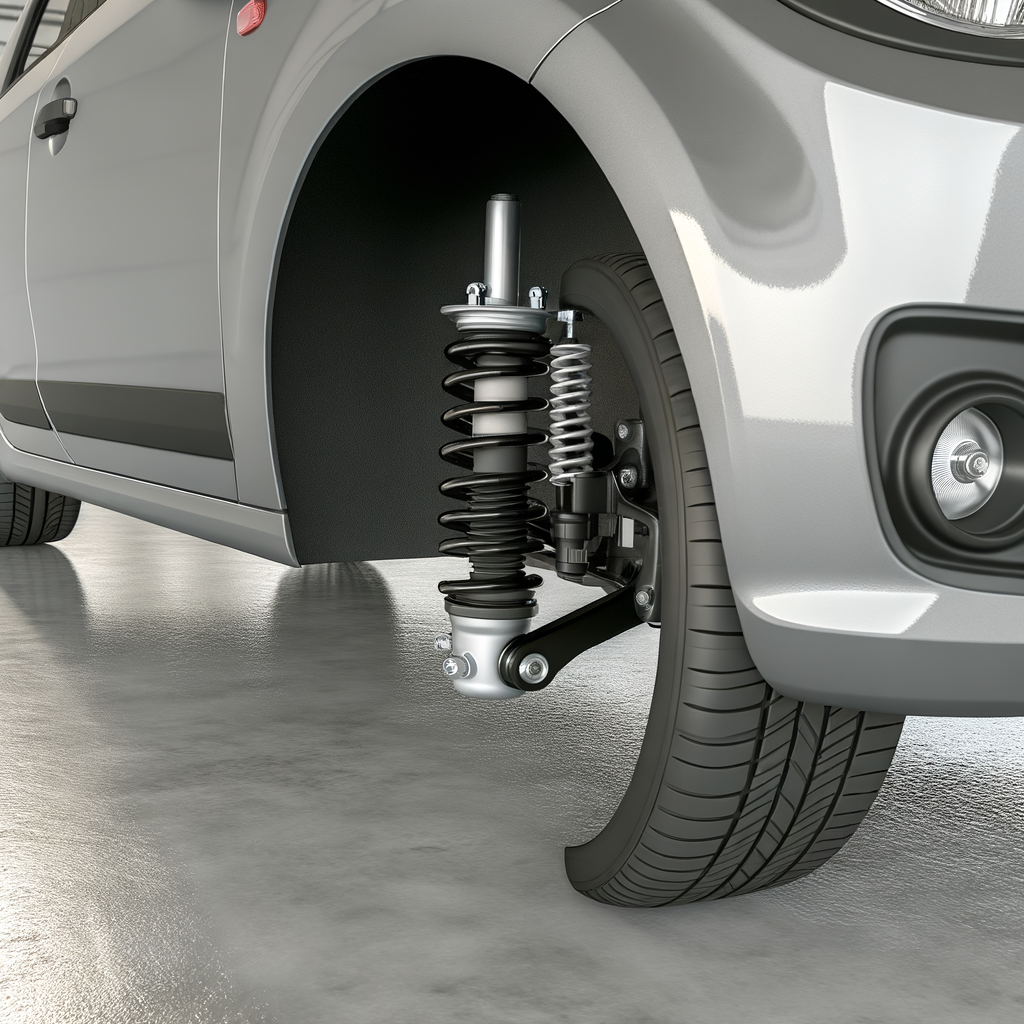
A slammed car has reduced ride height, usually by changing the suspension. The goal is to bring the body closer to the ground and reduce the gap between the tire and fender.
There are a few common ways people lower a car:
- Lowering springs: Shorter, stiffer springs that drop the car a fixed amount.
- Coilovers: Adjustable shocks and springs that let you set ride height and sometimes damping. Coilovers explained for beginners can help you understand the basic parts and adjustments.
- Air suspension: Air bags replace springs, letting you raise and lower the car with a compressor and controls.
- Drop spindles (some cars): Change the spindle position to lower without changing spring length as much.
Some “slammed” builds also use wheel and tire changes to push the wheels closer to the fenders. That is often where rubbing and fitment problems start.
Why people do it
Most people slam a car for style. A lower stance can make the car look wider, cleaner, and more planted. It can also reduce the “4×4” look that some stock cars have.
Lowering can also change handling. With a lower center of gravity, body roll may drop. But that does not mean the car will always handle better. If the suspension geometry is off, or if the car is too low to travel over bumps, grip and control can get worse.
Things to know before starting
Before buying parts or turning wrenches, get clear on these basics.
How low is too low
The lower you go, the smaller your safety margin becomes. Clearance issues show up fast:
- Scraping on driveways, speed bumps, and potholes
- Rubbing tires on fenders or inner liners
- Hitting the oil pan, exhaust, or subframe
- Bottoming out the suspension, which can upset the car mid-corner
Wheel and tire fitment matters more on a slammed car
When the car is low, the wheel position becomes critical. Offset and width decide where the tire sits, and a small change can cause rubbing. If you are not familiar with it, Wheel offset explained breaks down the key terms and what they do.
Ride quality will change
Lowering usually means less suspension travel. That often feels harsher. With very low setups, the car may bounce because the shocks are not working in their best range. Bad ride quality is not only annoying. It can reduce traction on rough roads.
Alignment is not optional
Lowering changes camber, toe, and sometimes caster. A wrong alignment can cause:
- Fast tire wear
- Poor straight-line stability
- Steering that feels nervous or pulls
Plan for extra parts and small fixes
Many cars need supporting items when going low, such as:
- Camber bolts or adjustable arms
- Shorter end links
- Bump stop changes
- Fender liner trimming or fender rolling
Step-by-step explanation
These steps fit most beginner builds, whether you choose springs, coilovers, or air. The exact details depend on the car, but the process is similar.
1) Set a clear goal for stance and use
Decide how the car will be driven: Daily street, weekend cruiser, or show use. Be honest about your roads. A look that works in photos might be frustrating on rough streets.
2) Pick the lowering method that matches your goal
- Springs: Simple and usually cheaper, but height is fixed.
- Coilovers: More control over height, and often better tuning options.
- Air: Height changes on demand, helpful for driveways, but more complex.
3) Measure current clearances and wheel fitment
Before lowering, check:
- Tire-to-fender clearance at full lock (steering turned all the way)
- Space between tire and strut
- How much room exists under the front bumper and under the car
This helps you predict where rubbing or scraping will happen after the drop.
4) Install the suspension parts correctly
Use safe lifting points, support the car on stands, and torque hardware to spec. If you install coilovers, set both sides to the same starting height. On many cars, height changes can affect preload and shock stroke, so follow the manufacturer’s instructions closely.
5) Set the ride height in small steps
Do not slam it all at once. Lower a little, drive slowly, listen for rubbing, then adjust again. Check both front and rear. Many cars look “level” but work better with a small rake, with the front slightly higher to protect the bumper and allow suspension travel.
6) Check for rubbing and contact points
Test these situations carefully:
- Full steering lock in a parking lot
- Hitting a dip while turning
- Speed bumps at an angle
If rubbing happens, fix the cause instead of ignoring it. Tire rub can damage the tire sidewall, which is a safety risk.
7) Get a proper alignment and re-check after settling
Lowered suspensions settle after some driving. Get an alignment soon after install, then re-check if the height changes or if tire wear looks uneven.
8) Inspect tires and pick the right ones for your setup
A slammed car often needs careful tire sizing, load rating, and sidewall choice. A very short sidewall may look good but can bend wheels easier on potholes. how to choose car tires covers important basics like size, type, and how to match tires to real driving.
Common mistakes to avoid
- Going too low before checking suspension travel: If you ride on bump stops all the time, the car will handle poorly.
- Using wheel spacers without understanding fitment: Spacers can help clear a strut or improve stance, but they also change load on studs and bearings. are wheel spacers safe explains what to watch for.
- Skipping supporting alignment parts: Some cars cannot align properly when lowered without adjustable arms or bolts.
- Chasing “tucked” fitment with the wrong wheel specs: Wrong offset can create rubbing that no amount of alignment will fix.
- Ignoring noises: Clunks, grinding, or tire rub sounds are warning signs.
- Not retorquing after install: Suspension bolts can settle. Re-check torque after a short break-in period.
Safety and legal considerations
Lowering is not just a style change. It affects safety systems and road legality.
- Ground clearance laws: Some areas have minimum ride height rules, bumper height rules, or rules about frame contact. Local inspections may fail an excessively low car.
- Headlight aim: Lowering changes headlight angle. Poor aim can reduce your vision and glare other drivers.
- Tire coverage: In some places, tires sticking past the fender can be illegal.
- Steering and brake line clearance: At full lock and full compression, nothing should stretch, pinch, or rub.
- Emergency handling: A bottoming suspension can make the car jump or skip during braking or turning on rough roads.
If you track scrape spots on the underbody, inspect the area for damage. A hit to an oil pan, fuel lines, or brake lines can cause serious problems.
Final practical advice
A good slammed setup is not only about being low. It is about controlled movement and reliable clearance. Start with a moderate drop, confirm you have suspension travel, then fine-tune height after you drive it in real conditions.
Keep up with maintenance more often than stock. Check tire wear, inspect shocks for leaks, listen for new noises, and watch for rubbing marks. For a simple routine that fits modified cars, Modified car maintenance basics is a helpful reference to keep problems from building up over time.


