


This post may contain affiliate links. Please read our disclosure and privacy policy for more information.
A shake when you accelerate from a stop is usually caused by something that only shows up under load. The engine and drivetrain are working hardest in that first second of takeoff, so small problems can feel big. The good news: Many causes are common and easy to confirm with a few safe checks.
What This Problem Feels Like
Most drivers describe it as a shudder, vibration, or brief “judder” right as the car starts moving. It may feel like:
- A rapid shaking through the seat and floor during the first 5 to 15 feet
- A vibration that gets better once you are rolling
- A shake that is worse when taking off uphill or with passengers in the car
- A “bucking” feeling if you press the gas lightly, then more firmly
In many cases, the car feels normal at steady speed. If the vibration mainly shows up around 55 to 75 mph instead, that points more toward wheel balance or tire issues, like car shakes at highway speeds.
Is It Safe to Drive?
Sometimes yes, sometimes no. A mild shudder that has been the same for a while and does not change rapidly is often not an immediate safety emergency, but it still needs attention. Problems that cause shaking under load can get worse quickly.
Driving is not a good idea if any of these are true: The shaking is violent, it suddenly got much worse, the car feels like it may stall in traffic, you smell something burning, or the car will not accelerate normally.
If the shake is paired with clear slipping, like engine RPM rises but the car barely moves, avoid hard acceleration and plan for service soon. Ongoing slipping can overheat and damage parts in a hurry. If that sounds familiar, compare it to Transmission slips while driving.
Common Causes
Worn engine or transmission mounts
This is one of the most common reasons for shaking at takeoff. Mounts hold the engine and transmission steady. When rubber mounts crack or soften, the drivetrain can twist too much when you step on the gas. That twist feels like a shake or thump as the weight shifts.
Why it happens: Rubber ages, heat and oil exposure break it down, and repeated hard takeoffs stress the mounts.
Dirty or slipping torque converter clutch behavior (automatic)
On many automatics, low speed shudder can come from the torque converter clutch applying when it should not, or applying unevenly. Some cars feel this as a rumble strip vibration right as you pull away or during low-speed rolling.
Why it happens: Old fluid, internal wear, or control issues can cause harsh or uneven engagement.
Clutch chatter or worn clutch components (manual)
If you drive a manual, a worn clutch disc, glazing, or a weak pressure plate can cause chatter during engagement. It often feels worse on a cold start or when starting on a hill.
Why it happens: Heat spots, oil contamination, worn friction material, or a flywheel surface that is not smooth.
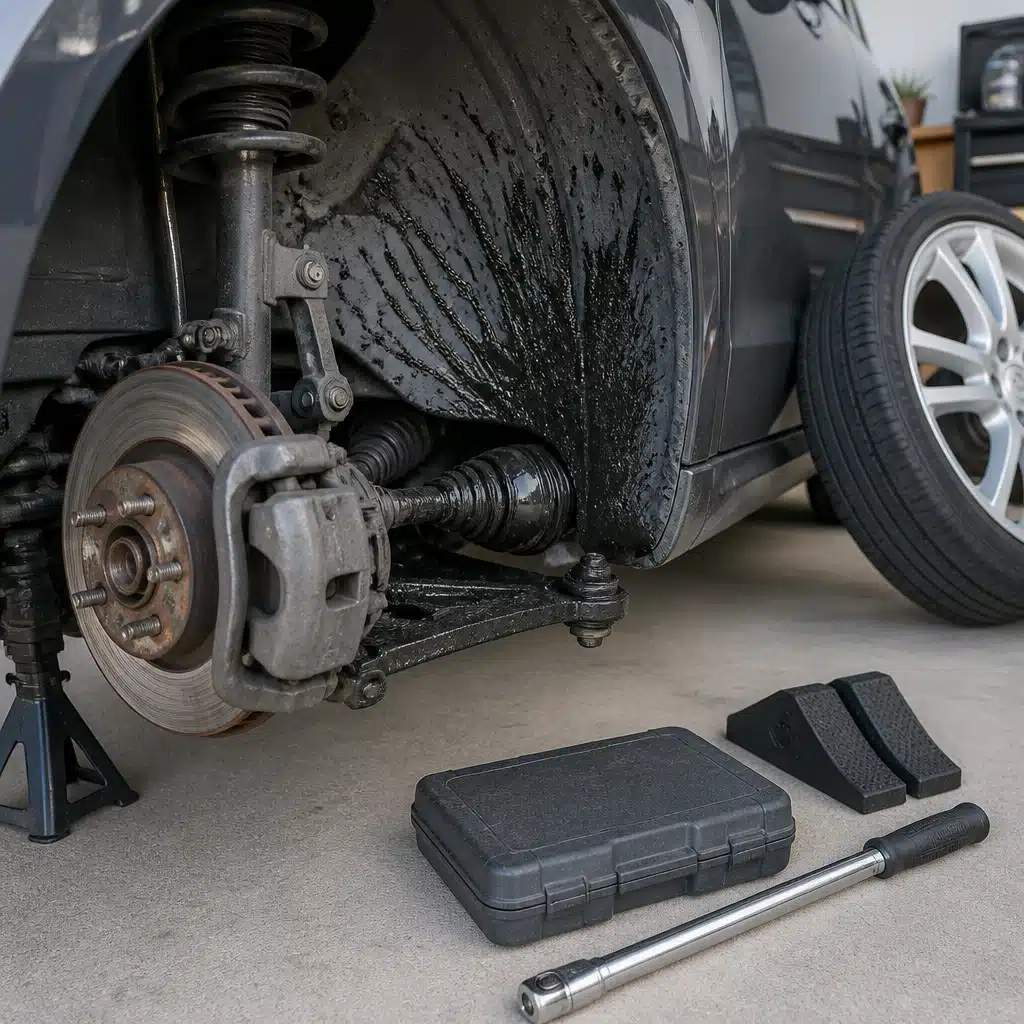
CV axle or inner CV joint wear (front-wheel drive and many AWD)
Inner CV joints commonly cause shaking under acceleration from a stop. The joint can have play that only shows up when torque is applied. This often feels like a vibration that lessens as speed increases.
Why it happens: High miles, torn boots that let grease out and dirt in, or past impact damage.
Misfire under load (spark, fuel, or air related)
An engine misfire can feel like a shake that happens only when you ask for power. At idle it may seem fine, but as you pull away the engine stumbles and the whole car can shudder.
Why it happens: Weak ignition coils, worn spark plugs, clogged injectors, or vacuum and air metering problems. If you also notice engine ticking at idle, that may be a separate clue: Engine ticking noise causes.
Loose or damaged suspension parts that shift under load
Worn lower control arm bushings, a bad ball joint, or a loose subframe mount can let the front end shift when torque is applied. That shift can feel like a shake, especially as the wheels transition from standing still to rolling.
Why it happens: Rubber bushings wear and tear, pothole hits, and corrosion.
Tire or wheel issues that show up at low speed
A separated tire belt or a badly out-of-round tire can cause vibration at low speed and during takeoff. This is less common than mounts or axles for a “from a stop” shake, but it still happens.
Why it happens: Tire defects, old tires, impact damage, or a bent wheel.
Quick Checks You Can Do at Home
These checks are meant to be simple and safe. Do not crawl under a car that is only held up by a jack. If you are not confident, stop and schedule a shop inspection.
Notice when it happens
- Only from a dead stop: Often mounts, clutch chatter, or inner CV joint wear.
- From a stop and also during light cruising: Can be torque converter shudder or a misfire under light load.
- Only while turning and accelerating: More likely a CV joint issue.
Check the tachometer behavior
On an automatic, watch the RPM when the shake happens. If RPM flares up without matching movement, that points toward slip. If RPM stays steady but the car shakes, that leans more toward mounts, axles, or engine performance.
Look for warning lights
If the check engine light is on or flashing, take it seriously. A flashing light often means an active misfire that can damage the catalytic converter.
Quick under-hood look for mount clues
With the engine off and cool, look for obvious broken rubber, shiny metal contact marks, or wet oily areas around mounts. Oil can soften rubber mounts over time.
Check CV boot condition
Turn the steering wheel full left, then full right, and look behind the front wheels with a flashlight. If you see a torn boot or grease sprayed around the inside of the wheel well, the CV joint may be running low on grease and wearing quickly.
Tire condition and wheel fasteners
Look for bubbles, bulges, deep sidewall cracks, or a tire that looks “wavy.” Also confirm lug nuts are present and appear seated evenly. If anything looks unsafe, do not drive until it is inspected.
When This Becomes Serious
Take the car in soon, or stop driving, if you notice any of the following: The shaking becomes harsh enough to blur mirrors, the car clunks loudly on takeoff, it pulls hard to one side as you accelerate, or you hear grinding or popping sounds.
Also treat it as urgent if the car struggles to get moving in traffic. A drivability problem at intersections can become a safety risk fast.
If you ever feel a shake combined with braking vibration, treat that as a separate issue that needs its own check: steering wheel vibration when braking.
How a Mechanic Fixes It
A shop will usually start by duplicating the symptom on a short road test, then checking the most likely load-related parts first.
- Mounts: Inspect for cracks, separation, sagging, and excess movement. The fix is replacing the failed mount or mounts, then rechecking for vibration.
- CV axles: Check for play and binding, inspect boots, and listen for noises during turns. The fix is replacing the worn axle assembly and confirming the vibration is gone.
- Manual clutch chatter: Check engagement feel and look for signs of contamination or worn parts. The fix may involve replacing clutch components and addressing any oil leaks that contaminated the clutch.
- Torque converter shudder or trans control issues: Scan for transmission codes, check fluid condition and level, and confirm shift and lockup behavior. The fix may include fluid service, software updates when applicable, or internal repair if wear is confirmed.
- Misfire under load: Pull codes, check misfire counters, and test ignition and fuel delivery. The fix could be plugs, coils, injector service, or repairing an air leak depending on test results.
- Suspension movement under load: Inspect bushings, ball joints, control arms, and subframe mounting points. The fix is replacing worn parts and performing an alignment if needed.
Common Mistakes to Avoid
- Ignoring a new shake: Load-related vibration often gets worse and can damage other parts.
- Assuming it is always a tire balance: Balance problems usually show up more at speed than from a stop.
- Revving the engine in Park or Neutral to “test it”: Many of these issues only show under load, and free-revving can create other risks.
- Replacing random parts without testing: Mounts, axles, and ignition issues can feel similar from the driver’s seat.
- Overlooking simple clues: A torn CV boot or a flashing check engine light is not subtle, and it matters.
Related Problems to Watch For
These can show up alongside a shake from a stop, but they are separate symptoms: A clunk when shifting from Park to Drive, a vibration that only happens at highway speeds, or a shake that happens mainly during braking.
If you also notice the car feels weak on grades after the shake starts, that may point to an engine performance problem rather than a driveline vibration: power loss climbing hills.
Final Thoughts
Shaking when accelerating from a stop usually means something is moving, slipping, or misfiring right when the drivetrain is under its heaviest load. Start by paying attention to when it happens and checking for obvious signs like torn CV boots, warning lights, and damaged tires. If the shake is getting worse, comes with loud clunks, or the car feels unreliable in traffic: Stop driving and have it checked. A short inspection now can prevent a much bigger failure later.


