


This post may contain affiliate links. Please read our disclosure and privacy policy for more information.
A car that feels slow to accelerate can turn normal driving into a hassle. In many cases, the engine is running, but it cannot make power the way it should. The key is to notice when it happens and check a few common items before the problem worsens.
What This Problem Feels Like
You might notice it most when pulling into traffic, passing, or merging onto the highway. Some cars feel fine at low speed but run out of power as speed rises. Others feel weak all the time.
Sometimes the transmission will downshift and the engine will get louder, but the car still does not move much faster. On some vehicles, a warning light may come on, but it can also happen with no lights at all.
Related symptoms can include a rough feel, a mild shake, or a flat spot when you first tip into the throttle. If the car also shakes hard during acceleration, that can point to a different problem like drivetrain or wheel issues. For that specific symptom, see car shakes when accelerating.
Is It Safe to Drive?
It depends on how weak the acceleration is and where you are driving. The main safety risk is not being able to speed up when you need to.
- If the car still accelerates normally with light throttle and you are only noticing a small loss of power, it is usually okay for short local trips.
- If the car struggles to reach traffic speed, takes much longer to merge, or feels like it will not respond when you press the gas, avoid highways and busy roads.
- If the loss of power is sudden, severe, or comes with flashing warning lights, strong shaking, loud popping, or a burning smell, stop driving and have it checked.
If you cannot confidently merge, cross an intersection, or pass safely, treat it as unsafe to drive.
Common Causes
These are common reasons a car feels lazy or slow to pick up speed, listed from more common to less common.
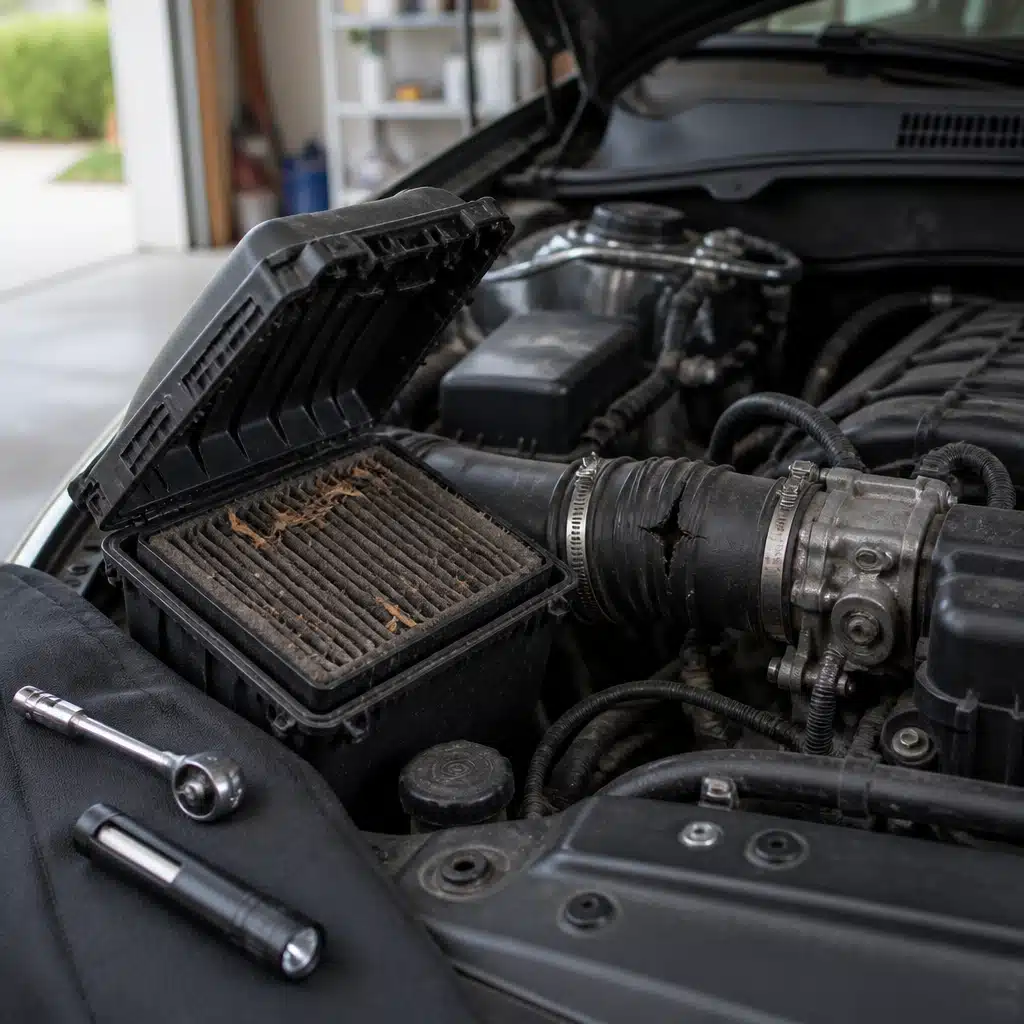
Dirty or clogged engine air filter
The engine needs a steady flow of air to make power. A clogged air filter restricts airflow, which can make the car feel weak, especially when you ask for more acceleration.
This happens slowly over time, so drivers often notice it only after it has gotten bad. Driving on dusty roads can speed it up.
Low fuel delivery from a restricted fuel filter or weak fuel pump
If the engine cannot get enough fuel under load, acceleration drops off. You may notice the problem more when climbing, accelerating hard, or driving at higher speed.
Some cars use a serviceable fuel filter that can clog. Others have the filter built into the fuel pump module. A weak pump can also cause a “falls on its face” feeling when you press the gas.
Worn spark plugs or ignition problems
Spark plugs that are worn out can struggle to fire the mixture cleanly under load. The engine may feel flat, sluggish, or slightly rough when you accelerate.
On some engines, weak ignition coils or damaged plug wires can cause a misfire that gets worse during acceleration. Sometimes the check engine light comes on. Other times it does not, especially early on.
Mass airflow sensor or throttle body problems
Modern engines rely on sensors and the throttle body to control airflow and fuel. If the mass airflow sensor reads wrong, or the throttle body is dirty or sticking, the engine may not respond normally when you press the pedal.
This can feel like delayed response, soft acceleration, or a “mushy” pedal.
Restricted exhaust (such as a clogged catalytic converter)
If the exhaust cannot flow out, the engine cannot breathe. A restriction often shows up as poor acceleration, especially at higher RPM. Sometimes the car will feel okay at low speed but bog down as speed rises.
This is less common than basic maintenance items, but it is a known cause of steady power loss.
Transmission issues or wrong fluid level
If the transmission is slipping, not downshifting correctly, or stuck in a higher gear, the car can feel slow even if the engine is fine.
You might notice higher RPM without matching acceleration, delayed shifting, or an odd shift feel. This is more likely if the problem came on suddenly or you notice changes in how it shifts.
Dragging brakes or a stuck parking brake
A dragging brake caliper or parking brake can make the car feel like it is fighting itself. Acceleration feels dull, and fuel economy can drop.
In some cases you will smell hot brakes after a drive, or one wheel will feel much hotter than the others.
Quick Checks You Can Do at Home
You can do these checks safely with basic tools and simple observation. Avoid working around hot engines or moving belts, and avoid crawling under the car unless it is properly supported.
Check for obvious brake drag
After a short drive without hard braking, carefully bring your hand near each wheel. Do not touch the wheel if you suspect it is hot. If one wheel is noticeably hotter than the others, the brake on that corner may be dragging.
If you smell a sharp burning odor near a wheel, let the car cool and have it inspected soon. Dragging brakes can become a safety issue.
Look at the air filter
If your air filter is easy to access, remove it and inspect it. If it is packed with dirt, leaves, or looks dark and clogged, it can restrict airflow. A clean filter should look fairly open and light in color.
Do not run the engine with tools or loose items near the intake opening.
Check for warning lights and reduced power messages
Look for a check engine light or any message like “reduced engine power.” If a light is on, a scan for stored codes is helpful. Many parts stores can scan codes, and many drivers use a basic code reader at home.
Codes do not automatically mean you should replace the part named in the code. They are a starting point for diagnosis.
Pay attention to when it happens
- If it is worse going uphill, fuel delivery or exhaust restriction may be more likely.
- If it is worse at higher speed, think about airflow, fuel supply, or exhaust flow.
- If it comes with rising RPM but little movement, transmission slip becomes more likely.
If the car mainly struggles on grades, it can help to compare your symptoms to power loss climbing hills, since the pattern can narrow down what a shop will test first.
Listen and feel for misfires
A misfire under load can feel like a stumble or a repeated hesitation as you accelerate. It may be mild at first. If you feel strong shaking, avoid hard acceleration and get it checked soon.
If you also notice a ticking sound at idle along with the power loss, that can be a separate clue. See Engine ticking noise causes for what that can mean.
Check transmission behavior without pushing it
On a flat road, notice whether the transmission downshifts when you press the gas. If it does not, or if it flares (RPM jumps) without speed increase, back off and plan for a professional inspection.
Do not keep repeating hard acceleration tests. If the transmission is slipping, you can make it worse.
When This Becomes Serious
Slow acceleration becomes more than an annoyance when it creates a safety risk or points to damage.
- Sudden power drop: If the car suddenly becomes much slower than normal, treat it as urgent.
- Flashing check engine light: A flashing light often means an active misfire that can damage the catalytic converter.
- Burning smell or smoke: This can point to overheating brakes, a slipping belt, or other problems that should not be ignored.
- Hard shaking under load: This can damage mounts, exhaust parts, and drivetrain components if you keep driving it.
- Not able to reach traffic speed: If you cannot merge or cross traffic safely, stop driving the car until it is repaired.
If acceleration is weak and the engine temperature climbs or the car starts to buck, it is better to have it towed than to push it.
How a Mechanic Fixes It
A shop will normally confirm the complaint with a road test, then narrow it down with basic tests rather than guessing.
- Scan and live data check: They will look for fault codes and check sensor readings like airflow, throttle position, fuel trims, and misfire counters.
- Air and intake inspection: They will inspect the air filter housing, intake ducting for cracks, and the throttle body condition.
- Ignition testing: They may inspect spark plugs, test coils, and look for signs of weak spark under load.
- Fuel pressure and volume tests: If fuel delivery is suspected, they will measure pressure and how it behaves under acceleration.
- Exhaust backpressure testing: If a restriction is suspected, they may run tests to confirm a clogged catalytic converter or crushed exhaust section.
- Transmission evaluation: If shift behavior points that way, they will check fluid condition and verify slip or control issues with scan data.
- Brake drag checks: If braking drag is suspected, they will check caliper slide pins, hose condition, and parking brake operation.
Once the root cause is confirmed, the fix is usually straightforward: Replace worn maintenance parts, repair air leaks, restore fuel delivery, address ignition faults, correct exhaust restriction, or repair the transmission or brakes as needed.
Common Mistakes to Avoid
- Replacing parts based on a guess: A “feels slow” complaint can come from different systems, and guessing gets expensive fast.
- Ignoring the basics: Skipping checks like the air filter and spark plug condition can lead to chasing more complex causes first.
- Driving hard to “test it”: Repeated wide-open throttle pulls can worsen a slipping transmission or an active misfire.
- Overlooking brake drag: A stuck caliper can mimic engine power loss and can overheat the brake parts.
- Clearing codes before diagnosis: Clearing codes can erase helpful information about when and how the fault occurred.
Related Problems to Watch For
Slow acceleration can sometimes come with other symptoms that help point to the general area of the problem.
- Shaking during acceleration: Often felt with misfires, drivetrain issues, or tire and wheel problems. See highway speed vibration causes if the shake shows up mainly at speed.
- Power loss only on hills: This pattern often shows up sooner under heavy load.
- Exhaust smoke: Smoke at startup or under acceleration can be a sign of engine wear or other faults. If you see it, compare your symptoms to white smoke from exhaust.
If any of these show up along with slow acceleration, mention them when you book service. Small details can speed up diagnosis.
Final Thoughts
If your car feels slow to accelerate, start with the simple checks: Air filter condition, warning lights, signs of brake drag, and when the problem happens. If the car cannot keep up with traffic, if the power loss is sudden, or if you get a flashing check engine light, stop driving and get it inspected. Once a mechanic confirms the cause with testing, the right repair brings back safe, normal acceleration without guesswork.


