


This post may contain affiliate links. Please read our disclosure and privacy policy for more information.
A 7-seater SUV can be a smart pick when you need extra seats but still want one vehicle for daily driving, school runs, and trips. But not all “7-seaters” work the same. Some have a true third row for adults, while others only fit kids for short rides. Knowing what to check makes shopping much easier.
What the concept is
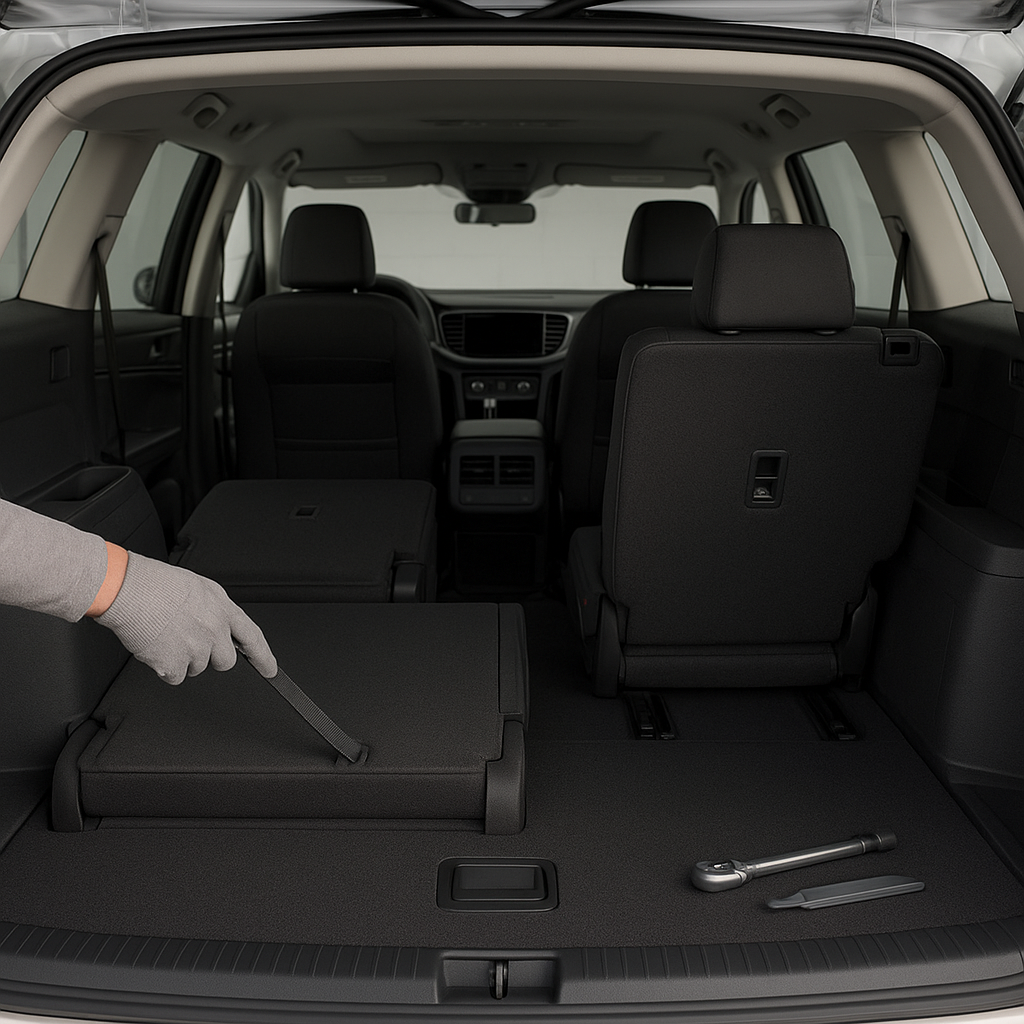
A 7-seater SUV is an SUV built with three rows of seats. The first row is the driver and front passenger. The second row is usually a bench or two captain’s chairs. The third row folds into the cargo floor when you do not need it.
When people say “best 7-seater SUVs,” they usually mean SUVs that balance these basics well:
- Real third-row space: Enough legroom and headroom for passengers.
- Easy access: Getting into the third row without a struggle.
- Useful cargo room: Space behind the third row for bags or a stroller.
- Safe driving feel: Stable braking, predictable handling, and good visibility.
Why people do it
Many buyers choose a 7-seater SUV for flexibility. You can carry more people when needed, but still fold seats down when you want cargo space.
- Family growth: More seats for kids, friends, or relatives.
- Carpool and school runs: Fewer trips and less hassle.
- Travel: Room for passengers and luggage in one vehicle.
- Everyday comfort: Higher seating position and easier child-seat loading.
Things to know before starting
1) “7 seats” does not always mean “7 adults”
Some SUVs have a small third row with low seat height and tight legroom. That can be fine for kids, but not for tall adults on longer drives. Sit in the third row yourself during the test drive, not just the first two rows.
2) Cargo space changes a lot with the third row up
With the third row in use, many SUVs have limited room behind it. If you often carry seven people, bring a few real items to test fit, like a stroller, backpack, or carry-on suitcase.
3) Second-row design affects daily usability
Captain’s chairs can make third-row access easier because there is a gap between seats. A bench can fit three across, but may be harder for a child to climb past. Also check if the second row slides and reclines, since that helps both comfort and third-row space.
4) AWD vs FWD is about traction, not magic
All-wheel drive can help you get moving on slippery roads and can feel more confident in snow or heavy rain. But it can add weight and complexity. Front-wheel drive is often simple and efficient for normal paved-road driving. For a clear starting point, see AWD or FWD explained.
5) Tires matter more than most beginners expect
The right tires strongly affect braking, grip in rain, and ride comfort. A “big SUV” still depends on tire quality. If you are comparing vehicles, check tire size and replacement cost, and learn the basics of how to choose car tires.
6) Handling and braking feel can vary a lot
Some 7-seater SUVs feel stable and calm, while others feel top-heavy or floaty. During a test drive, do a few normal stops, a few gentle curves, and a few lane changes. You are looking for predictable steering and brakes that feel easy to control.
7) Pay attention to seat belts and child-seat setup
Check how many top tether anchors you get and where they are located. Also check if the third row has lower anchors or only seat-belt installation. Try fitting your child seats in the positions you will actually use.
Step-by-step explanation
Use these steps to narrow down the best 7-seater SUV for your real needs, not just the spec sheet.
1) Decide who uses the third row
- Mostly kids: Smaller third rows may work fine.
- Adults sometimes: Look for better legroom and an adult-friendly seat height.
- Adults often: Prioritize third-row space and easy access.
2) Measure your “daily cargo” with the third row up
Think about what you carry on a normal week. Then test the cargo area with the third row in use. If it barely fits groceries, it may be frustrating for road trips.
3) Check third-row access in real life
During a test drive, do this more than once:
- Move the second row forward using the real handle or button.
- Climb into the third row like a passenger would.
- Close the door and check headroom and knee space.
- Exit and reset the second row seat.
If it feels awkward in the lot, it will feel worse in a tight parking space.
4) Test the seat folding system
Fold the third row down and back up. Then do the same with the second row. Look for:
- Simple latches that do not pinch fingers
- A flat load floor when folded
- Seats that lock back firmly
5) Evaluate visibility and parking comfort
Large SUVs can have thick pillars and high rear windows. Check blind spots, rear visibility, and how easy it is to judge distance when parking. Good mirrors and a clear rear view reduce stress.
6) Compare ride comfort on rough roads
Drive over a few bumps and uneven pavement. A comfortable 7-seater should not bounce too much or crash harshly. Suspension design plays a big part, and learning Car suspension basics helps you understand what you feel on a test drive.
7) Plan tire and alignment basics early
For any SUV you buy, expect tire wear to be part of ownership. Ask how long tire installation usually takes, since it can affect your schedule when you need service. See New tires install time for what to expect.
Common mistakes to avoid
- Buying based only on “7 seats”: Always test the third row for comfort and access.
- Ignoring cargo space with all seats up: A 7-seater can turn into a “no luggage” vehicle when full.
- Forgetting car seats: Not every layout works well with two or three child seats.
- Assuming AWD helps you stop: Tires and brakes control stopping distance, not AWD.
- Skipping a full test drive: Short drives can hide harsh ride quality or weak brakes.
- Overlooking easy controls: Climate vents to the rear, USB ports, and simple seat releases matter daily.
Safety and legal considerations
A 7-seater SUV can carry more passengers, so safety details matter even more.
- Seat belt fit in the third row: Check that belts sit correctly on the shoulder, not the neck.
- Head restraints: Confirm the third row has proper head restraints for passengers.
- Child-seat rules: Follow your local laws for booster seats and child-seat placement. Do not assume the third row is allowed for every age group without checking.
- Payload limits: Every SUV has a maximum combined weight for people and cargo. Overloading can hurt braking and handling.
- Towing limits: If you tow, stay within rated limits and use the correct hitch and wiring. Improper towing can be unsafe and may be illegal.
Final practical advice
Start by picking the right size for your real passengers, not the label on the window sticker. If the third row is mainly for kids, focus on easy access and simple seat folding. If adults will sit back there, prioritize legroom, seat height, and rear air vents.
During shopping, bring what you actually use: A child seat, a stroller, or a couple of bags. Test third-row entry, seat comfort, and cargo space in the same visit. Then take a longer test drive on roads you drive every week. The best 7-seater SUV is the one that fits your people, your cargo, and your daily routine without extra hassle.


