


This post may contain affiliate links. Please read our disclosure and privacy policy for more information.
If your car feels weak, sluggish, or hesitant right after refueling, it usually points to an issue that shows up only around the time you fill the tank. Most of the time, the cause is tied to fuel vapor control or a small fuel delivery problem that becomes noticeable when the tank level changes.
What This Problem Feels Like
Drivers often describe it as: The car starts and runs, but it feels “off” for the first few minutes after leaving the gas station.
You might notice one or more of these symptoms right after refueling:
- Hesitation when you press the gas pedal
- Weak acceleration, especially from a stop
- Rough idle at the first stoplight
- A brief stumble like it might stall (sometimes it does)
- The engine feels bogged down, then gradually returns to normal
In many cases, it drives fine again after a short distance. That pattern is an important clue: Something about refueling is triggering the problem.
Is It Safe to Drive?
If the car only feels weak for a short time and then fully clears up, it is usually safe to drive carefully to a familiar place. Keep extra following distance and avoid pulling into fast traffic until it feels normal.
Stop driving and park safely if any of the following happens:
- The engine stalls in traffic or repeatedly tries to stall
- You have very poor response when pressing the gas pedal
- The check engine light is flashing
- You smell strong raw fuel inside or around the car
A flashing check engine light can mean an active misfire that can damage the catalytic converter. A strong fuel smell can mean a leak or a venting problem that should not be ignored.
Common Causes
Overfilling the tank (topping off after the pump clicks)
This is one of the most common reasons a car feels weak right after refueling. When you keep adding fuel after the pump shuts off, liquid fuel can enter parts of the evaporative emissions system that are only meant to handle fuel vapor.
Why it causes weakness: Fuel vapors and air flow are supposed to be managed in a controlled way. If liquid fuel floods the charcoal canister or related lines, the engine can get an overly rich mixture at startup or during the first few minutes of driving. That rich mixture can cause stumbling, hesitation, and rough idle.
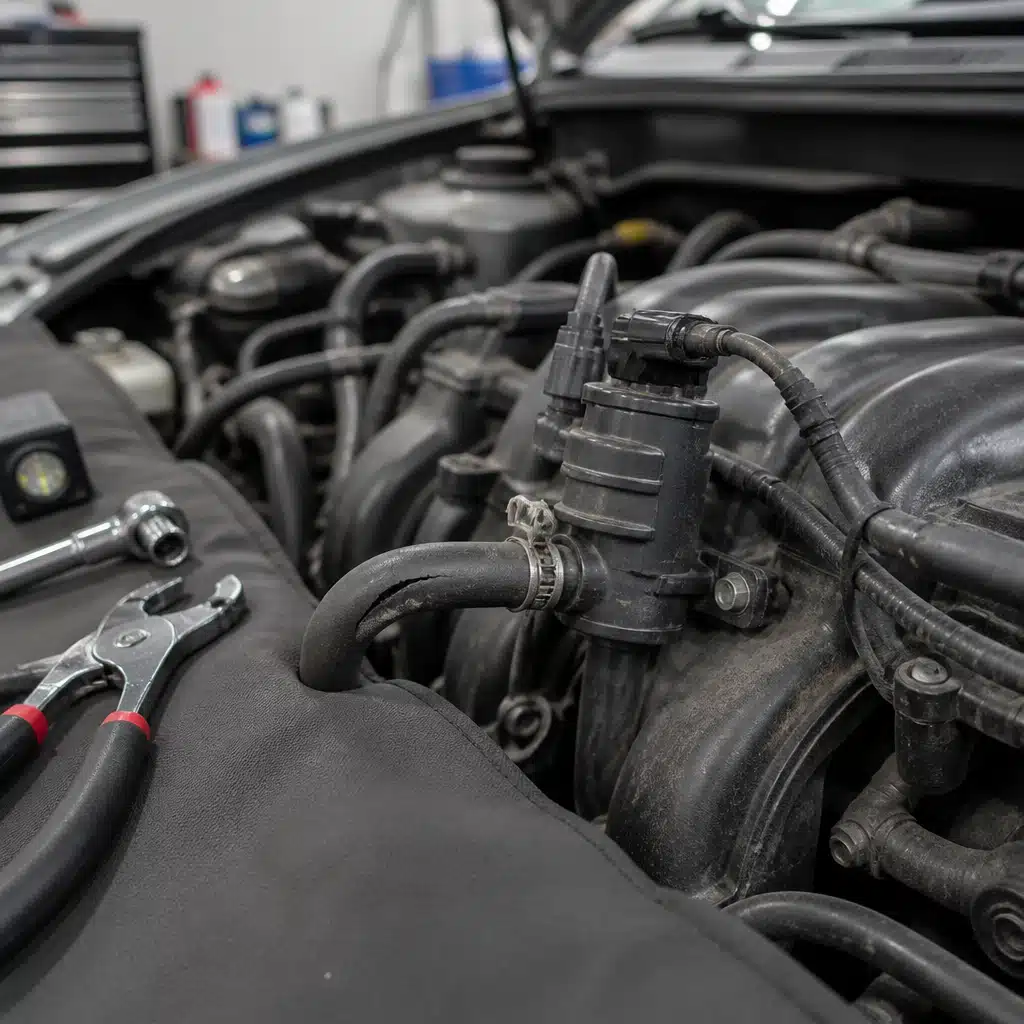
EVAP purge valve sticking open
The EVAP system stores fuel vapors from the gas tank and later feeds them into the engine to be burned. The purge valve controls when those vapors enter the intake.
If the purge valve sticks open, refueling can push a surge of fuel vapor (or even a bit of liquid fuel) toward the engine at the wrong time.
Why it causes weakness: Right after refueling, the tank has a lot of vapor activity. A purge valve stuck open can let too much vapor into the intake, throwing off the air-fuel mixture. The engine may run rich and feel bogged down, especially at idle and low speeds right after you leave the pump.
Loose, damaged, or wrong gas cap
A gas cap that does not seal can cause EVAP system trouble and odd drivability after refueling. Sometimes the seal is cracked, sometimes the cap is not tightened, and sometimes the cap is the wrong type for the vehicle.
Why it causes weakness: The EVAP system depends on proper sealing and controlled venting. When the seal is wrong, vapor flow can behave oddly right after refueling, and the engine computer may struggle to keep the mixture stable. This can show up as hesitation or rough running for a short time.
Fuel quality or wrong fuel type
If the car feels weak immediately after refueling and stays weak longer than usual, consider what went into the tank. The wrong octane (when required) or contaminated fuel can cause poor performance.
Why it causes weakness: Lower resistance to knock or inconsistent burn quality can reduce power. Some cars may pull timing or adjust fueling to protect the engine, which feels like sluggish acceleration. If you hear sharp rattling under load, treat it seriously and learn about Engine knocking when accelerating so you can avoid engine damage.
Fuel delivery issue that shows up after refueling
This is less common, but it happens. A weak fuel pump, restricted fuel filter (where serviceable), or a problem in the tank can sometimes show up as hesitation after a fill-up.
Why it causes weakness: The engine needs stable fuel pressure. If pressure drops under acceleration, it can feel like the car has no strength. Some problems become more obvious after refueling because the tank level and vapor conditions change.
Quick Checks You Can Do at Home
These checks are safe and simple. They can help you narrow down what is happening without taking anything apart.
Think about your last refuel habit
Ask yourself: Did you keep pumping after it clicked off? If you often top off, stop doing that for the next few fill-ups.
What to look for: If the problem improves or disappears when you stop topping off, the EVAP system was likely being flooded.
Check the gas cap sealing and tightness
Remove the cap and inspect the rubber seal. It should be soft, not cracked, and free of debris. Reinstall the cap and tighten it until it clicks (or feels fully snug, depending on design).
If your cap looks damaged or does not tighten correctly, replace it with the correct type for your vehicle.
Notice how long the weakness lasts
Pay attention to timing:
- Clears up within 1 to 5 minutes: Often EVAP-related (purge valve or overfilling)
- Lasts the whole trip: Think fuel quality, wrong fuel, or a bigger fuel delivery problem
- Happens only at idle right after starting: Purge valve issues are very likely
Watch the dash for the check engine light
If the check engine light comes on after refueling, that strongly supports an EVAP-related issue. Even if it turns off later, the stored code can still help a mechanic pinpoint the cause.
If the car also feels slow at other times, note that too
If it is not just after refueling and you also notice weak acceleration on normal drives, that points away from “refuel-only” causes. In that case, compare your symptoms with Car feels slow to accelerate so you can describe the pattern clearly when you get it checked.
When This Becomes Serious
A brief stumble after refueling can be minor, but these signs mean you should not keep brushing it off:
- The car stalls after refueling more than once
- It cranks longer than normal after filling up
- The hesitation is getting worse over time
- There is a strong fuel smell near the rear of the car
- The check engine light keeps returning after refueling
A repeated after-refuel stall can leave you stranded in a risky spot. A fuel smell may point to a venting fault or leak. Both should be inspected soon.
How a Mechanic Fixes It
A professional diagnosis usually focuses on the EVAP system first, because the timing around refueling is such a strong clue.
Scan for fault codes and review data
The shop will scan for stored codes and check freeze-frame data that shows what the engine was doing when the fault set. EVAP purge flow codes and leak-related codes are common when this symptom is present.
Test the purge valve operation
A mechanic may test whether the purge valve is leaking when it should be closed. A purge valve that does not seal can cause rich running right after refueling and rough starts.
Inspect the charcoal canister and vent paths
If the tank has been repeatedly topped off, the charcoal canister can become fuel-soaked. The technician will check for signs of saturation and restrictions in the vent system.
Confirm proper fuel cap seal and filler neck condition
The filler neck and cap sealing surface may be checked for damage, rust, or sealing problems that can trigger EVAP faults.
Rule out fuel quality and fuel pressure issues when needed
If EVAP checks pass, the next step may include confirming fuel pressure and checking for contamination concerns. This is more likely when the weak feeling lasts well beyond the first few minutes after refueling.
Common Mistakes to Avoid
- Stopping at the first click, then topping off anyway: This is a common trigger for EVAP flooding and after-refuel stumbling.
- Ignoring a repeating stall after refueling: Even if it restarts, it can put you in an unsafe situation in traffic.
- Replacing random parts without confirming the cause: EVAP problems can look similar, and guessing can waste time.
- Continuing to drive with a flashing check engine light: That can lead to catalytic converter damage.
Related Problems to Watch For
These issues are not the same problem, but they can show up alongside it or be mistaken for it:
- Rough idle at stops after leaving the station: Often tied to purge flow problems because idle is when extra vapor makes the biggest difference.
- Shaking when you accelerate: If you feel vibration along with weakness, that is a different symptom pattern. See car shakes when accelerating.
- Power loss on hills: If the main issue is lack of power under load (not just after refueling), compare notes with power loss climbing hills.
Final Thoughts
If your car feels weak right after refueling, treat it as a timing clue: It usually points to the EVAP system, especially topping off the tank or a purge valve problem. Start by changing your refueling habit and checking the gas cap seal and tightness. If the weakness repeats, the car stalls, or the check engine light comes on, schedule a diagnostic soon. Drive cautiously until it is fixed, and avoid situations where a stall or hesitation could put you in danger.


