


This post may contain affiliate links. Please read our disclosure and privacy policy for more information.
A P0300 code means the engine computer is seeing random or multiple cylinder misfires. When the engine feels rough at the same time, it usually means one or more cylinders are not firing the way they should, and the misfire is not staying in one single cylinder long enough to set a specific code like P0301 or P0302.
What This Problem Feels Like
Most drivers describe this problem as a rough idle, a shaky feeling in the seat or steering wheel, or an engine that sounds uneven. It may smooth out a little once you raise the RPM, or it may stay rough all the time.
You might also notice:
- Hesitation when you press the gas
- Less power than normal, especially merging or climbing
- Engine vibration that comes and goes
- A flashing or steady Check Engine light
- A fuel smell from the exhaust in some cases
Sometimes the roughness is most noticeable at idle with the car in Drive and your foot on the brake. Other times it shows up under light cruise, where the engine feels like it is “skipping” for a moment.
Is It Safe to Drive?
It depends on how severe the misfire is and what the Check Engine light is doing.
- If the Check Engine light is flashing: Treat it as unsafe to keep driving. A flashing light usually means an active misfire that can quickly damage the catalytic converter and may cause more serious running issues.
- If the light is steady and the engine only feels slightly rough: It is often safe for a short, careful drive to a repair shop, but avoid hard acceleration and highway speeds if the car feels weak or unstable.
Stop driving and shut the engine off if it is shaking violently, stalling, backfiring, or losing power in traffic. If the engine feels rough enough that the car cannot maintain speed reliably, it is not worth the risk.
Common Causes
P0300 is a “random misfire” code, so the root cause is often something that affects multiple cylinders, or something that comes and goes. These are the most common causes, listed from most common to less common.
Worn spark plugs
Old or incorrect spark plugs are a top cause of random misfires. As plugs wear, the spark becomes weaker and less consistent, especially under load. If plugs are overdue, the engine may idle rough and misfire more during acceleration.
Ignition coil problems (coil packs or coil-on-plug)
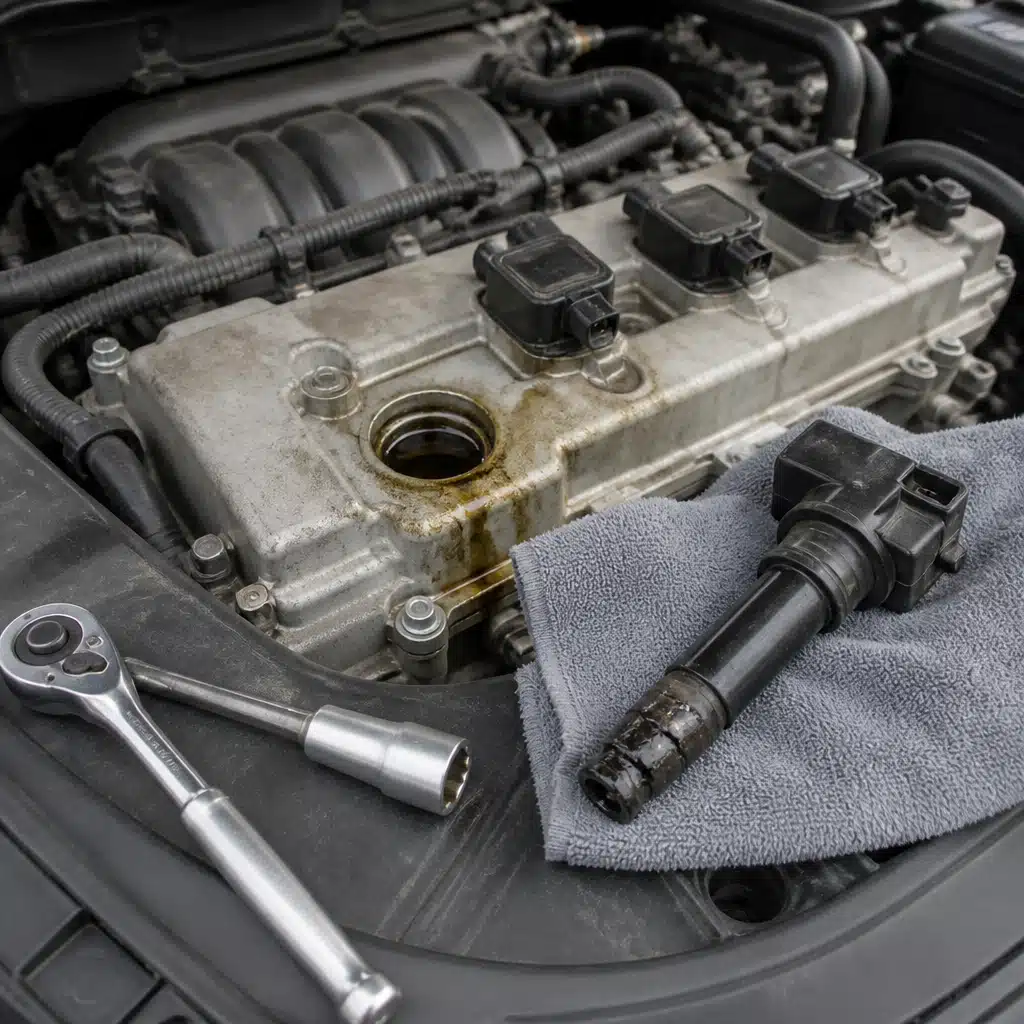
A weak coil can misfire more when it heats up or under heavier throttle. On many cars, one failing coil can trigger P0300 instead of a single-cylinder code, especially if misfires are scattered or the data is not consistent enough to pinpoint one cylinder.
Vacuum leak (unmetered air)
A vacuum leak lets extra air into the engine that the computer did not measure. That leans out the mixture and can cause random misfires, often worst at idle. Common leak points include cracked PCV hoses, intake boots, and intake manifold gaskets.
Fuel delivery issues
If fuel pressure is low, or if the fuel volume is poor, multiple cylinders can misfire. This can happen from a weak fuel pump, a restricted fuel filter (on vehicles that have a serviceable one), or a failing fuel pressure regulator.
Some drivers notice the car feels weak after filling up with fuel, which can point toward fuel quality issues or EVAP-related problems that affect the mix. If that matches your timing, see Car weak after refueling.
Dirty or faulty fuel injectors
One clogged injector usually causes a cylinder-specific misfire, but multiple injectors with poor spray patterns can cause random misfires and roughness. This is more common in higher-mileage engines or engines that sit for long periods.
Mass air flow (MAF) sensor issues
If the MAF sensor is dirty or reading wrong, the engine computer may add too much or too little fuel. That can cause rough running and scattered misfires across cylinders, especially during transitions like light acceleration or deceleration.
EGR problems (if equipped)
An EGR valve stuck open can dilute the mixture with exhaust gas at the wrong time, causing rough idle and misfires. Not all vehicles use an EGR system, but when they do, it can create a rough, unstable idle that sets P0300.
Low compression or mechanical engine problems
Less common, but important: Low compression from worn valves, head gasket issues, or timing problems can cause misfires. Mechanical causes usually come with other clues, like ongoing roughness that does not change much with new ignition parts.
Quick Checks You Can Do at Home
You can do a few safe checks without taking the engine apart. Do not work near moving belts or a hot exhaust, and keep hands and clothing away from the cooling fan.
Look at the Check Engine light behavior
Flashing means active misfire. A steady light means the problem is present but may be less severe at that moment. If it flashes during acceleration, back off right away.
Check the basics under the hood (visual only)
- Look for loose intake hoses, cracked vacuum lines, or a hose that has popped off
- Check for obvious oil or water in spark plug wells if you can see them
- Look for broken electrical connectors at coils, injectors, or sensors
A vacuum hose that is split or disconnected can cause a sudden rough idle and P0300.
Listen for a hissing sound
A steady hiss near the intake can hint at a vacuum leak. This is not a full diagnosis, but it can help you decide what to mention to a mechanic.
Note when it runs worst
Pay attention to patterns:
- Worst at idle: Often vacuum leak, plug wear, or EGR issues
- Worst under load: Often ignition coil weakness or fuel delivery trouble
- Worse once warm: Often coil breakdown, fuel pressure drop, or sensor drift
If the roughness comes with a clear loss of power once the engine warms up, that pattern can overlap with other power complaints like Power loss after warm-up, but the P0300 points you back to a misfire as the core issue.
Check battery voltage if cranking sounds weak
Low system voltage can make ignition and fuel control less stable on some vehicles. If the engine cranks slowly or the electrical system seems weak, it is worth checking the battery condition using test car battery with multimeter.
When This Becomes Serious
A misfire is not just an annoyance. It can turn into damage if it is ignored.
Take it seriously if:
- The Check Engine light flashes at any time
- The engine shakes hard enough that mirrors blur at idle
- The car stalls, especially at stops or when shifting into gear
- You smell raw fuel from the exhaust
- The car feels unsafe to merge or cross traffic due to power drop
Driving with a strong misfire can overheat the catalytic converter. That can lead to a loss of power, strong odors, and more warning lights. It can also damage oxygen sensors and increase fuel consumption.
How a Mechanic Fixes It
A professional shop normally confirms the misfire first, then tests the most likely causes in a way that avoids guessing.
Scan tool checks
The mechanic will look at misfire counters by cylinder, fuel trims, and freeze-frame data. Fuel trim numbers help point toward vacuum leaks or fueling problems. Misfire data helps identify if it is truly random or tied to certain cylinders and conditions.
Ignition system testing
Common professional steps include checking spark plug condition and gap, inspecting coils and boots, and testing coil output patterns where applicable. If one coil is weak, the fix may be as simple as replacing the faulty coil and plugs as needed.
Smoke test for vacuum leaks
A smoke test is one of the fastest accurate ways to find unmetered air leaks in hoses, intake boots, PCV plumbing, and gaskets. Fixing the leak often restores a smooth idle right away.
Fuel system testing
Fuel pressure and volume tests can confirm a weak pump or restricted supply. Injector balance testing can show if one or more injectors are not delivering evenly.
Engine mechanical checks
If the basics check out, the shop may run a compression test or a leak-down test to rule out mechanical causes. This step matters when the misfire does not respond to normal ignition and air leak repairs.
Common Mistakes to Avoid
- Replacing parts based only on the code: P0300 does not automatically mean spark plugs or coils. It can be air leaks or fuel delivery.
- Ignoring a flashing light: That is one of the fastest ways to create catalytic converter damage.
- Mixing random ignition parts: Mismatched plugs or incorrect plug types can create new problems.
- Overlooking simple air leaks: A small split hose can cause big roughness, especially at idle.
- Clearing the code without fixing the cause: It will return, and you lose useful freeze-frame data that helps diagnosis.
Related Problems to Watch For
A rough engine with P0300 can come with other drive complaints. These do not change the diagnosis, but they can help describe the problem clearly.
- Shaking during acceleration: Misfires often show up under load. You may also notice symptoms similar to car shakes when accelerating.
- Surging at a steady speed: Light-throttle misfires can feel like a gentle surge or buck. That can overlap with car surges at steady speed.
- Occasional hesitation: A brief stumble when taking off can happen when one cylinder drops out for a moment.
If any new warning lights appear, or if the engine starts stalling, treat that as a change in severity and avoid longer drives.
Final Thoughts
If your engine feels rough and you have a P0300 code, think of it as a misfire that can come from ignition, air leaks, or fueling. If the Check Engine light is flashing, stop driving and have it towed or repaired right away. If the light is steady and the car runs well enough to move safely, keep the trip short and gentle and schedule diagnosis soon.
Your best next move is to note when the roughness happens most, do a quick under-hood visual check for loose hoses and connectors, and then have the misfire data, fuel trims, and air leak testing checked professionally. That approach fixes the cause instead of guessing at parts.


